
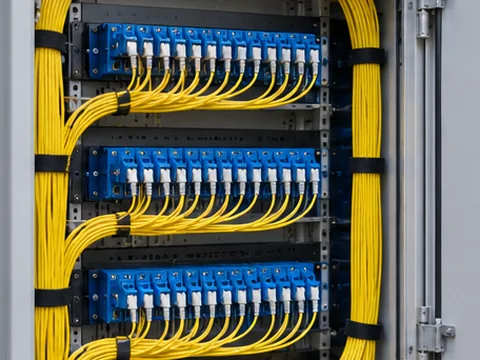
Classify the work by scope and environment
A fiber contractor may perform underground boring, trenching, aerial installation, splicing, testing or network design. Subcontractors can have materially different scopes within the same project. Clarify what each company performs, which customers have operating facilities nearby and whether the project involves working on active networks.
Review the contracts to determine whether the contractor has accepted design responsibility or performance obligations beyond installation. Identify who verifies utility locations, authorizes changes and documents the existing network and any known conflicts. A project schedule should identify service windows, commissioning and transfer of customer assets.
Address third-party damage and interruption
Damage to an existing line can affect a customer and downstream businesses. The actual scenario might involve physical damage, alleged economic loss, service credits or expense to provide alternate connectivity. Provide the policies and scope descriptions to the broker and identify any affected agreements. Review applicable general liability, professional liability, equipment and project insurance terms against the evidence.
Equipment used in the field may belong to the contractor, a rental company or a customer. Determine who bears risk in transit, while off-site and after delivery. Review equipment and inland marine schedules, leased equipment terms, and contract requirements for limits or evidence.
Example — existing network damage during an expansion
During work for a campus expansion, a subcontractor damages an active fiber connection serving another operator. Emergency restoration restores service, but the operator alleges income loss and contractual remedies. Establish who owned the line, the documented authorization for the work, the subcontract scope and the actual duration of interruption. Preserve relevant locating records, subcontract agreements, restoration invoices and vendor communications.
Evaluate liability and related policy wording, including reporting obligations and applicable exclusions. If the project’s own completion was delayed, establish separately whether that delay resulted from damage to property insured under the construction program.
Information for the review
- Specific installation methods and project environments.
- Contract scopes, design roles and operating facility interface.
- Asset ownership and custody during transport and staging.
- Prior losses, incident escalation and documentation practices.
- Liability, professional and equipment insurance requirements and the issued endorsements.
See colocation contracts and service obligations for parallel customer obligations and data center construction for the transition to operating coverage.
Start with the work the company is authorized to perform
Write down the operations a crew actually performs on a representative order, plus work the firm expects to take in the next year. A contractor that installs conduit on an owner-selected route faces different allegations from a firm that also takes responsibility for surveying, route design or certification. Break out revenue and subcontracted costs by method and responsibility. An annual estimate for outside work is more useful when it identifies whether subcontractors perform the most exposed crossing or routine segments. Include the state or region, usual customer, typical job value and largest job for each materially different work type.
Submissions should show exceptions. For a directional drilling contractor, draw attention to difficult crossings, private facilities and the individual who can approve a revised route. For open-cut installation, describe restoration, public access, temporary work and the duration of control after completion. A pole make-ready project has different coordination and equipment questions. Identify which project documents set responsibilities for existing utilities, whether the company accepts liability for downstream interruption, and how the approved scope reaches a field supervisor. If new work is planned, compare those details with the existing insurer's description before signing.
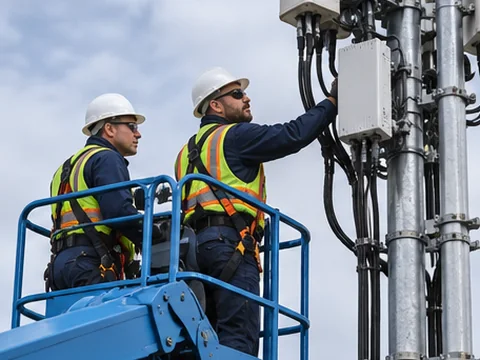
Compare custody to the point when risk changes
Follow one high-value shipment from vendor to receiver, storage site, job and final acceptance. Record who owns the materials and who bears damage risk at each stage. Those answers can differ. A contractor may take custody without owning equipment or may be required to insure a temporary location it does not control. Peak accumulation deserves attention. Early delivery, an extended schedule or replacement equipment may temporarily place much more value in a single yard or conveyance than the ordinary operating inventory implies.
In a discussion about fiber materials in transit or staging, compare the exposure with actual project and inland marine or installation terms. Confirm whether the affected interest, contractual custody, location and time are contemplated. Consider condition records, signed transfer records, inspection and notice obligations. Coverages may have separate terms for transportation, storage and the point when installed property is accepted. Also identify alternative vendors and lead times if one item affects several installation segments. Coverage for physical damage and a contractual deadline may still leave the revised sequence dependent on scarce replacements.
Document handoff before touching an active route
Make service authority and acceptance part of the same project discussion. A live network cutover may require decisions from the installer, operator, owner and customer. Specify who can stop work, who authorizes rollback and who confirms that an intended customer function is usable. The field crew can complete its physical work while another provider retains authority to approve the transfer. Separately decide which party can change the work and how each change is recorded. When using a specialist for fiber testing and acceptance, preserve both original results and the signed final report. Resolve who can waive an open item, for how long, and what continuing obligations remain.
Consider a fiber installer that completes a lateral and leaves a signed release for the owner. Days later, a separate vendor changes the panel for a second phase, and a customer reports service degradation. One party focuses on the previous test and another on the commissioning delay. The investigation needs the maintenance authorizations, segment identifiers, raw results, versioned drawings and timestamped outage history. Damage to a component, an allegation of inadequate certification, repeat installation expense and a customer demand for financial loss each require review under the applicable contract and policy. A response that attributes every expense to the first job without checking the actual cause can distort the allocation.
Model the downstream costs before a loss
Estimate realistic repair times for an ordinary accessible line and a larger route with access limitations. Identify material availability, affected customers and alternate services. A single interruption can prompt demands from the direct network owner as well as businesses that rely on the network. The prime's obligation to reimburse a contractor for emergency work, a service customer's credit and asserted damages for loss of business can arise independently from the same event. Keep separate estimates for physical repair, temporary continuity, late completion and potential third-party claims. Where route diversity matters, confirm whether redundant services share a physical component or dependence. Model both concurrent failures and actual alternate capacity.
A claim file should support the event chronology and the obligations assumed. Before placement, ask the project manager, contracts lead and broker to review one signed contract and a realistic loss scenario together. Compare indemnity, definitions of additional insured status and the date risk transfers with the actual endorsements and policy wording. Request separate evaluation of applicable coverage for general liability, professional services, vehicle or mobile equipment exposures and owner-furnished property as the facts warrant. Where response work has its own terms, use the emergency telecom restoration guide to check who can approve an urgent expenditure and who obtains consent or gives notice. The objective is a traceable scope and a decision about each material exposure before work begins.