
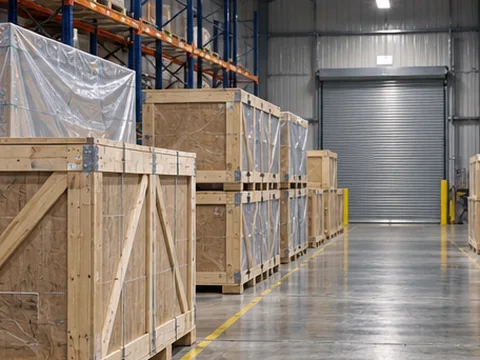
Trace equipment ownership and test what is replaceable
For each long-lead asset, document the manufacturer, point of origin, fabrication milestones, title and risk of loss, shipping arrangements, storage sites and the destination where commissioning will occur. Ask whether a substitute can be accepted under the engineering, customer, supply and lender requirements. A product that fits the project specification may still need different installation, configuration or testing. Include specialist labor and upstream delivery constraints in restoration assumptions.
The U.S. Department of Energy’s distribution transformer resources document industry work on supply chain vulnerabilities. Use vendor and engineering evidence for the equipment actually involved. Compare the availability of a new unit, a compatible spare and a temporary alternative. For each, record the reservation rights, transfer arrangements, necessary approvals and time needed to return capacity.
Match the record to each period of responsibility
Review the purchase order, financing documents, freight arrangement and warehouse contract together. The party paying for shipment can differ from the party bearing loss. Some insurance may cover a stated storage location, a particular route or a specific owner. Verify whether the policies contemplate overseas manufacture, transport, consolidation, inspection, temporary storage and delivery to the project. Revise values when costs or the number of units at a location change materially.
Identify which owner can contact the carrier and insurer during a loss. Give the party receiving equipment instructions for documenting visible and suspected damage and for retaining vendor and shipment records. Inspect sensitive equipment through the designated technical team. Preserve the package and handling evidence when it may bear on the event.

Analyze common-cause exposure
Two suppliers may depend on the same factory, transportation corridor, component maker or test facility. Record meaningful second-tier dependencies where they can affect the project. A campus portfolio can also concentrate several projects’ equipment at a single warehouse. Assess aggregate values and outage consequences rather than reviewing the purchase orders one at a time.
For an operating site, review which parts or service vendors have contractual commitments during the restoration period. Identify whether those commitments actually control availability and who can authorize expediting, storage relocation or a technical substitution. A supplier outage can affect more than one facility even when project records list a different direct vendor for each.
Example — one warehouse event affects two campuses
A fire damages separate groups of equipment allocated to two campuses. One project is scheduled to begin service in the next quarter, and the other has not completed power work. Reconcile each item’s ownership and insured location, the shared site accumulation, the actual opening milestone and any independent cause of delay. Engineering may be able to redirect a compatible undamaged unit, with both purchasers’ approval. Keep the prior schedule, movement records, replacement quotes and the documented reason one project received the available unit first.
Review builders risk and delay in startup alongside relevant cargo terms and operating property and time-element coverage.