
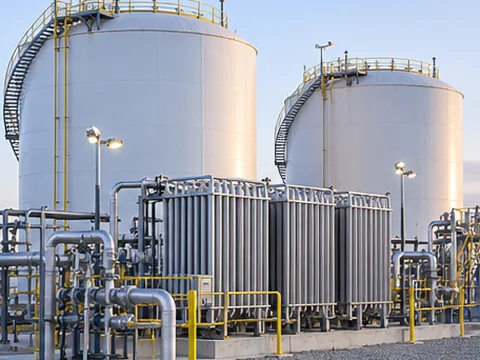
A storage contract can reserve inventory without guaranteeing that the generator can withdraw enough gas at the required hour or move that gas to the plant. Underwriting should separate volume, withdrawal capability, transportation priority and time to delivery. The EIA describes how different underground storage types serve the market and distinguishes available capacity from deliverability. EIA underground natural gas storage overview
Ask what the contract secures
Verify the type of storage service, maximum withdrawal obligations, location and seasonal conditions that may apply. Identify the rights holder, delivery point, availability of secondary paths, nominations, and how the contract treats a constraint or force majeure. Screening should account for the physical distinction between a storage facility and the last pipeline segment delivering fuel to the campus. Redundant upstream sources can be exposed to the same downstream constraint.
Example where inventory remains on the books
A power operator has sufficient stored gas on paper. During a peak event, its contracted withdrawal service and downstream route can deliver only a portion of modeled demand. The site imports additional utility power at a premium and postpones starting a new hall. If no property event caused the interruption, a conventional damage-based income provision may not attach. If covered damage to a named supplier or qualifying utility asset did occur, confirm the qualifying property, covered cause, waiting period and location limitations under the actual form.
Build analytical evidence for the decision
- Obtain a capacity and deliverability exhibit that applies under expected seasonal and inventory conditions.
- Compare available withdrawal rates and transportation rights with the generator’s forecast demand and load ramp.
- Collect notices, metered volumes, purchase invoices and operating records to connect any limitation to a declared event.
- Ask how contractual remedies, substitution rights, and reliance on the same pipeline path affect the uninsured financial exposure.
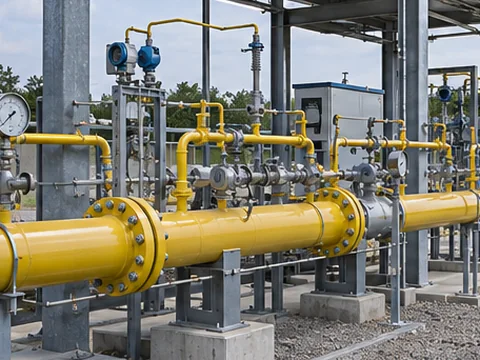
Use a time-series example before buying capacity
Have procurement build a day-by-day table showing beginning inventory, firm withdrawal rights, delivery capability, likely pipeline capacity and expected generator demand. A single storage figure leaves no way to tell whether it covers a brief surge, a week of extreme temperatures or a period when an essential facility is out of service. Confirm the original priorities of inventory withdrawal and separately confirmed rights to transport the gas. Interpret storage and transportation documents together when inventory arrangements are linked.
Separate supplier assets, campus output and the actual expense
A compressor-related interruption could reduce deliveries while downstream storage inventory remains unchanged. A campus has to decide whether to reduce output, purchase imported power, or call a different supplier whose transport path and delivery obligations may differ. Estimate costs for each alternative on actual availability and contract rules. Identify what would have been spent during normal operations and preserve evidence of the difference. The storage owner and transportation shipper may face their own loss or contractual remedy. If the site seeks insurance recovery, the affected asset and triggering cause should be compared with covered property definitions, any utility or dependent supplier terms, and the applicable expense or income condition.
Ask the off-taker to compare actual ramp and priority rights in its power purchase agreement with the plant owner's model. If the agreement pays availability fees or contains performance remedies, confirm whether those amounts are insured interests or commercial risks retained by the parties. Retain meter readings, supplier notices, scheduled volumes and settlement records.