
Distinguish the insurance terms and the government program
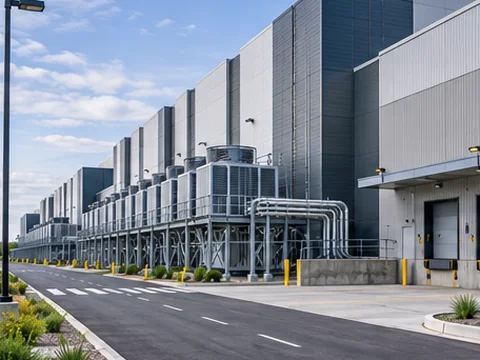
Multi-building technology campuses can have concentrated property values and operational dependencies. Review whether terrorism coverage is offered, accepted, included or excluded on each relevant line, and examine whether the terms distinguish certified events from other acts. The U.S. Treasury’s Terrorism Risk Insurance Program overview describes federal sharing of certain insured losses from certified acts. Actual eligibility, an insurer's obligations and the response to a particular event require independent review of the facts, policy and applicable law.
Example of a disputed interruption after an event
A destructive event damages one campus building and access to nearby buildings is restricted. Property, business income and lender reporting questions arise at the same time. The responsible teams should document physical damage, operations at each building, expected recovery, access restrictions and formal determinations by the relevant authorities. Compare the policy’s grant, exclusions, certification language, deductibles and sublimits with the lender's covenants. Restoration delay in the building directly damaged and revenue losses in nearby operations may require separate analysis.
Review the complete placement
- Record property and income values by building, including shared switchgear, cooling and offsite dependencies.
- Confirm the date, content and decision on terrorism disclosures or offers for relevant policies with the insurer or broker.
- Compare lease, loan and project insurance covenants to the coverages actually issued and document any exceptions.
- Clarify which employees or entities handle insurer notices, information preservation and communications after an incident.
Consider the underwriting question alongside broader security and continuity planning. A current statement of values, accurate site maps and a record of actual offers and decisions make the placement easier to review without drawing premature conclusions about an event.

Review shared facilities, annual limits and lender evidence
Identify the insured entities, affected property and contracts within each coverage proposal, and cross-check the insurer's disclosures or offers for each applicable line. Compare scenarios involving direct physical damage to the insured building and restrictions that affect a nearby unaffected building. Ask how the policy addresses insured locations, business income, civil authority provisions, loss triggers and certification. Where a stand-alone policy or other form is being considered, review its definitions, territory, deductible, excluded exposures and how it interacts with commercial property and dedicated business income policies. Confirm what evidence the lender will accept and secure written acknowledgment of any unresolved differences.
Estimate concentration where several halls share connection and cooling assets. A formal decision on acceptance or rejection should include the cost of the coverage, known exclusions, restrictions and property or earnings estimates. Discuss which loss scenarios the company would retain and whether continuity mitigations will reduce the exposure. The parties responsible for communications should have a current plan for documenting physical damage, the location and timing of any access restrictions and revenue data by building. The plans should allow insurance questions to be handled alongside ordinary emergency response. Avoid representing the insurance or federal program as automatically applicable simply because damage was deliberate or resulted in the interruption of a large facility.
Check document evidence at each investor or lender milestone
Prepare a schedule that records which insurance placements address the peril, the forms or endorsements involved, effective dates and limits, and when the board reviewed any offer. Identify any material exceptions requested by a landlord, purchaser or lender and confirm whether actual policy terms provide them. A single certificate cannot establish how lenders and insureds would be treated across several policies. Where the facility depends on a neighboring power or cooling installation, compare direct physical protection with any interruption coverage applicable to that dependency. Record what remains uncertain in a short management memo to align broker, underwriting and financing representations when the program renews or the campus expands.