

Build a milestone comparison
A power package can have separate dates for manufacturing, installation, inspection, fuel or utility availability, and successful testing under load. Determine which events release each payment and which demonstrate actual availability to the data center. If the same assets serve the site before completion, compare the schedule with requirements for testing, temporary use, or turnover. Identify when lenders, tenants, utilities, fuel providers, and project insurers need relevant information.
Consider a delayed service arrangement
The borrower finances generators and switching equipment to support a later site phase. The installation completes, but a contractual or physical dependency pushes back the date at which the power arrangement can serve load. The team still faces commissioning and debt-service costs. Model both a non-damage delay and a delay following a documented physical loss. Ask the broker about the coverage trigger and effect of the specifically described property, dates, waiting periods, and testing rules. Ask the lender which milestones affect funding and reserves.
Collect the commercial and technical evidence
- Manufacturer contracts, shipping dates, potential substitute units, and maximum accumulation off site.
- Times and test records for energization, partial operation, and final acceptance.
- Utility or fuel commitments, operating restrictions, commissioning roles, and current project schedule.
- Estimated loan costs, contractor milestone obligations, and capacity assumptions.
- Insurance evidence for construction and operating phases and the current insurer notice process.
The Department of Energy's Loan Programs Office budget material describes federal financing categories for qualifying energy infrastructure and projects. Confirm current programs and specific eligibility directly. DOE commissioning guidance provides an example of an organized turnover process, independent of financing eligibility.
Identify what illustrates actual service capacity
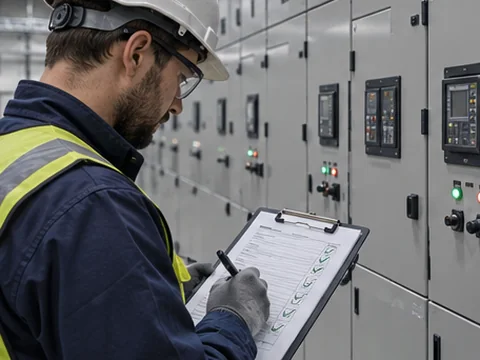
Gather generator and switching equipment schedules, facility load assumptions, vendor test records, the method for accepting delivered capacity, and dates of permanent fuel and utility arrangements. Ask the technical team to distinguish nameplate, planned, and demonstrated operating capacity for the affected phase. Include the critical ancillary equipment that must be installed and available. For standby service, record which critical loads it supports and assumptions about simultaneous operations. For a capital draw, separate evidence that equipment exists and that it can perform the contract's intended function.
Write contingency scenarios before funding the last milestone
Develop a scenario in which replacement of damaged equipment delays use and a second in which a commercial approval, supply, or interconnection dependency is late without damage. In each, estimate the expense to maintain security, personnel, and temporary power and cooling. Capture who can procure a workable substitute, whether the financing documents allow switching or replacement, and the decision date by which alternatives need approval. Record the acceptance date that governs each contract and each insurance assumption.
If temporary operations are proposed, use a phase plan to distinguish financed components, ownership changes, and areas serving existing loads. Give the broker and lender dated updates as the arrangements require. Ask which evidence is needed for delivery, approved testing, any insured event, or acceptance of an asset's final status. The finance review should identify the costs and time the project would need to fund if a later capacity date or shorter-than-planned period of available service creates material additional expense.
Keep vendor warranties connected to acceptance
A power package may carry manufacturer and installed-system warranties that start on different dates. Ask the project lead to retain manufacturer terms, installation records, commissioning approval, and service documentation. Record a position for who can authorize a repair or require a replacement. Use the resulting time estimate in the funding case and supply the facts to the broker when policy terms could be affected by continued use, repair work, or replacement equipment.