
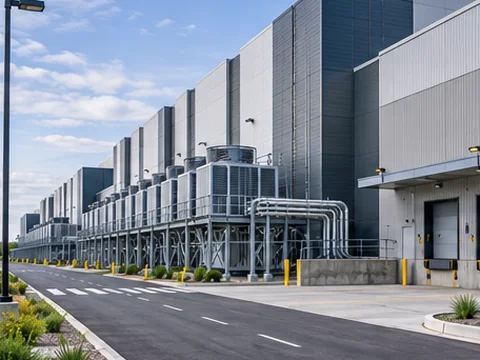
Use a consistent site description
Record street address and coordinates, occupancy, phases, building construction, equipment values, protection systems, critical spare arrangements, and the availability of redundant building services. Include up-to-date diagrams that show locations of power, cooling, distribution, and equipment rooms. Separate existing features from work proposed or underway. Have the facility team date the records and identify the source for each material statement.
Show why a topographic detail matters
A new campus has several finished floor levels and a below-grade electrical distribution route. The site map identifies access roads, neighboring structures, utility and drainage relationships, and key equipment that could be affected by water. Gather engineering and hazard data and confirm which features have been evaluated, installed, and tested. This gives underwriters a clearer basis to ask about amounts, loss scenarios, and conditions that could affect operation.
Assemble a broker review package
- Current site and building plans, locations of key equipment, and asset and business income values by phase.
- Facility ownership, occupancy, inspections, and current protection or impairment records.
- Documented site hazards, source dates, and planned mitigation with accountable parties.
- Emergency contacts, temporary mitigation options, and expected restoration dependencies.
- Prior events, known changes since the last review, and open questions for engineering or carriers.
Gather the current applicable flood maps and independent site evidence. FM's data center loss-prevention sheet provides risk-engineering context. Confirm current conditions and relevant independent site-specific advice. The carrier determines its requirements and coverage.
Put the protection system into its operating context
Gather review and inspection documents for alarms, suppression, water detection, power redundancy, and environmental monitoring. Indicate which areas the systems serve and any areas expected to receive later work. Include impairment procedures, current open maintenance work, and records of known changes. Ask engineering to identify system paths, handoffs and endpoints. For natural hazards, note the source and date of mapping or advisory material and identify the specific building and equipment locations evaluated by the project team.

Include how operations depend on the public site around the campus
For example, a facility may be physically separate from its nearest neighbor but share access roads, service routes or communications infrastructure. Document which providers serve the site and what evidence demonstrates the current arrangement. Give the broker expected exposure by phase, realistic alternatives, and what would happen if water, electric, access, vendor support, or key restoration staff were unavailable. Include the responsible counterparty and procedures for responding to incidents that originate outside the premises.
Agree who updates the submission as the project develops. Many policies and underwriting decisions reflect information known at a particular date. Schedule updates when equipment values increase, tenants take possession, systems move from proposed to in service, or maintenance work materially changes the operation. Include photographs, source documents, a list of assumptions still requiring professional confirmation, and the accountable person. Ask insurers to review issues relative to the actual underwriting and policy terms before relying on a planned protection or mitigation measure.
Show where a fallback relies on the same site feature
A campus may describe alternate service routes or separate building zones in a proposal. Have the engineering team verify whether the paths share utilities, a below-grade space, access restriction, or component that could fail in the same event. Attach the current site plan with the relevant boundaries and key assets marked. Write which buildings, tenants, and functions would be affected. If the project has yet to build or test mitigation, include the planned completion date and owner. Supply both the present and projected exposures so underwriting can compare the intended protection with actual operating conditions.