
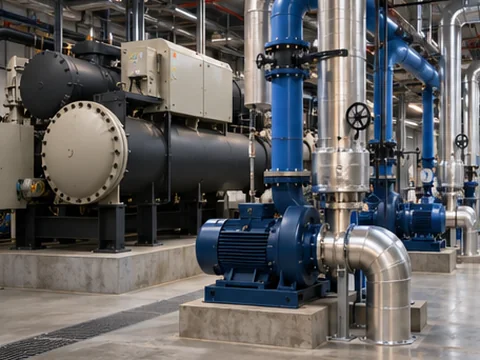
Semiconductor fabrication facilities can rely on ultrapure water for processing and rinsing. The EPA electrical and electronic components study describes industrial water use and discharge practices across observed facilities. System configuration and insurance implications vary by plant. Identify the source water, treatment plant, distribution network, monitored points and product processes that rely on consistent supply.
Map loss scenarios from the inlet to the tool
Ask engineering whether the fab has alternate feedwater, independent treatment capacity or a shared delivery path. Review who owns equipment at each stage and how the plant determines which production lots may have been exposed to a quality excursion. A water interruption need not have the same impact everywhere. Some steps can pause safely, while others may require other actions or retesting before a lot can proceed.
Example — water quality is outside the accepted range
A central treatment component experiences a fault, and quality data show an excursion affecting several process areas. After repair, the system has to demonstrate acceptable conditions before use. Some lots are found to have degraded product characteristics, and others remain on hold while their status is resolved. Record when sampling and instrument data identify the excursion, the basis for lot disposition, and when individual products can return to accepted production. Evaluate damaged equipment, stock, business income and extra expense using the forms' specific terms. If the incident stems from a third-party water service, confirm that the relevant endorsement recognizes the provider, service and cause.
Useful renewal records
- Water system diagram showing ownership, common dependencies and the fab equipment served.
- Monitoring and quality release records, historical events and corrective actions.
- Estimates for restoring delivery, verifying water quality and restarting affected production steps.
- Financial exposure by product line, affected stock and credible alternatives.
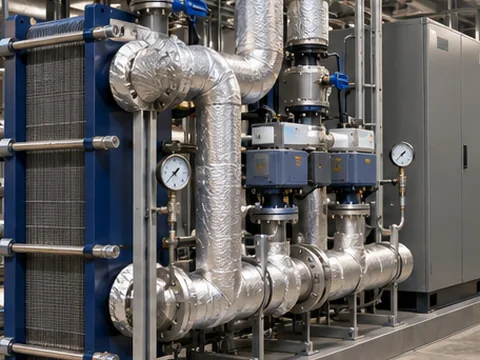
Confirm what an alternative source can really restore
The buyer should ask process and facility engineers to distinguish a supplier's ability to provide water from the plant's ability to deliver acceptable water at all points of use. Review potential dependencies on utility supply, treatment, storage or recirculating distribution. Obtain service commitments for critical equipment and confirm whether temporary resources can support only selected process areas. Document return-to-use approval and contractual requirements where production serves a customer that must approve changes. The financial team can then assign impact at the product line rather than assume a single campus-wide duration.
Case comparison — supply fails upstream with no immediate tool damage
Imagine the publicly supplied feedwater becomes unavailable following an incident outside the plant. Treatment equipment remains in working order. Work in process is protected in some areas while other processes need to pause and later undergo verification. The fab should retain supplier communications, process interruption records and evidence of any affected material. Establish actual cause and location, affected service and the relationship to the supplier's property. Then compare eligible property, utility services, applicable waiting periods and extra expense to the endorsed policy terms. Water purchases, fees paid under the supply agreement and costs incurred to preserve production are distinct amounts requiring documentation.
Estimate the financial difference between loss of supply and an internal failure that requires physical plant restoration. Insurers may need specific information on service dependence and alternative capacity. Document how far third-party service continues into the site and who is responsible for contingency access and notices. This also helps the operator evaluate what operating risk it can realistically retain.