
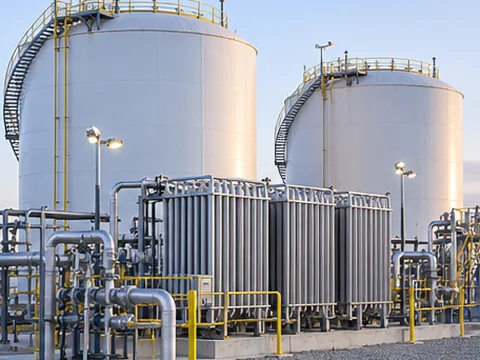
Liquefied natural gas delivery by road introduces transportation and receiving-site exposure that differs from pipeline delivery. The campus may own the receiving and vaporization equipment, contract with a specialist operator, or accept fuel under a delivered service. Clarify who purchases and takes custody of the commodity at each transfer. Ask transport, legal and regulatory advisors to identify the requirements applicable to the specific transport and facility arrangement.
PHMSA lists regulatory resources for LNG facilities and notes that oversight may vary with location and use. Determine applicability for your facility using the governing rules and the appropriate authorities. PHMSA LNG regulatory resources
Evaluate whether the transport plan survives disruption
Prepare an estimate of consumption, delivery frequency, terminal availability, driver and carrier constraints, and viable replacement carriers and routes. A second supplier can share the same terminal or critical access road. Ask whether emergency purchasing allows withdrawals or deliveries on commercially usable terms. Avoid assuming backup generating capacity remains usable if it depends on the same unavailable fuel lane.
Example across transport and operations
A motor carrier accident damages a loaded vehicle before delivery. The campus draws down inventory and pays for replacement shipments. Review title passage to establish loss of the commodity and property at the accident, including the cargo policy's commodity terms, valuation, and exclusions. Off-site auto or liability responding to third-party damage is separate from the campus’s cost of replacement procurement or production loss. Ask whether any time-element wording extends to this interruption and whether a contract sets delivery priority or limits the vendor’s responsibility.
What to document
- Terminal and carrier contracts, declared value and liability limits, delivery schedule, and title and custody transfer language.
- Inventory duration scenarios after a missed delivery and the realistic time to bring alternatives into use.
- Responsibility for receiving equipment, vendor access and incident coordination. Keep site operations procedures under qualified personnel.
Determine whose risk shifts at each handoff
Request a transit and custody outline from terminal release to delivery at the campus. The purchaser may acquire title before the specialized carrier reaches the site, while delivered pricing can leave the vendor responsible until measured receipt. Identify who pays for lost cargo, cargo damage to third-party property, delay in delivery and costs associated with environmental response. Review motor carrier coverage, cargo terms and pollution wording for different owner and carrier interests. A certificate often shows general limits and effective dates, while policy endorsements and the underlying transportation contract govern coverage and obligations.
Model inventory depletion alongside procurement rights
Assume a weather-related closure affects the preferred terminal and an alternative hauler can reach the campus from a different facility. The load may still be constrained by available commodity, supplier staffing, access rights, authorized site operations and expected arrival times. Use a qualified continuity plan to estimate inventory in the actual receiving system and expected demand during reduced service. Separate what can be guaranteed by an agreement from estimated route and availability assumptions. Check if priority can be secured contractually and if alternate carriers are accepted for the site.
Preserve any contract or tariff notices, logs showing accepted deliveries or rejected loads, title transfer documents and operational evidence showing impact on electrical generation. If no property was damaged, review expressly applicable time-element terms and commercial remedies before estimating recovery. Separate replacement fuel or energy expense from loss caused by an accident or bodily injury claim.