
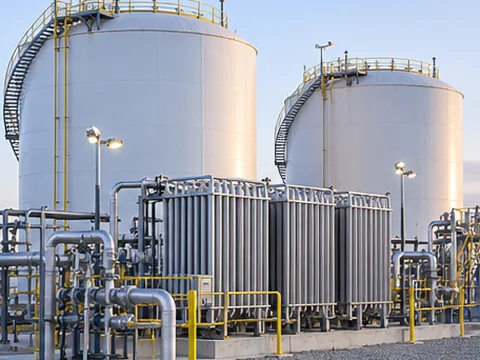
Liquefied natural gas is natural gas cooled into liquid form for storage or transport. A campus using it for generation typically relies on a receiving and vaporization arrangement before gas reaches the generating equipment. Deciding how much fuel can support useful operations requires more than reading the volume on a tank schedule. Confirm usable inventory, sustainable output, vaporization dependencies and the period during which power will be needed. U.S. EIA overview of liquefied natural gas
Identify loss boundaries and restoration bottlenecks
Identify who owns the stored commodity, tanks, vaporizers, controls and supporting electrical supply. A vendor may own most of the fuel plant while the campus operates the generation equipment and absorbs replacement-power costs. Establish how those interests are represented in asset schedules, insurance policies, warranties and contracts. Ask accredited engineering and environmental advisors how the site’s configuration, siting, authority approvals and emergency provisions apply. PHMSA explains why regulatory oversight can differ by use and location. PHMSA LNG regulatory resources
Example of an unavailable fuel inventory
An insured-event analysis follows a physical failure in a vaporizer. Stored fuel remains available in the tanks, but cannot be used at the planned rate while the damaged equipment is unavailable. Financial impacts can include repair of the damaged asset, interrupted generation, replacement imports, and costs associated with fuel or contractual commitments. Verify who incurs each loss and whether the relevant form provides for physical damage, equipment breakdown, time element, expediting costs, or an impairment associated with third-party property. Analyze a separate release scenario with environmental counsel and the pollution insurer because reporting, cleanup, liability and exclusions can follow different pathways.
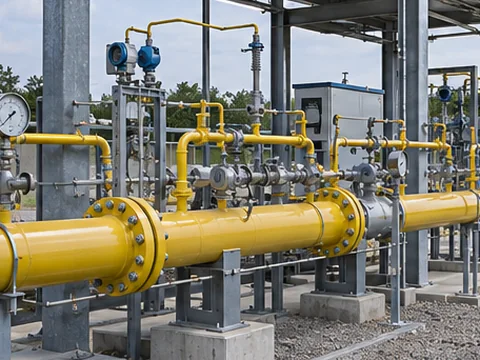
Retain equipment ownership documents, pre-loss capacities, condition records, incident logs, repair estimates, current approvals, and environmental response arrangements.
Compare the economics of a physical event and a supply-only outage
A vaporizer casualty can interrupt power even with a full tank. A carrier and underwriter will want to separate the amount of fuel available from the output restored when a parallel vaporization unit or alternate supply is used. For a firm lead-time estimate, obtain the vendor's expected repair and approval schedule through acceptance, not just delivery of a part. When the storage owner buys its own equipment coverage and the campus pays the additional energy cost, compare the two policies and the operating contract. Evaluate the storage owner's equipment claim and the campus operator's dependent-interruption claim under their respective forms. Review the relevant form’s location description, cause-of-loss requirements, and duration or limit.
Track resident fuel and environmental costs separately
An accidental release could affect the commodity inventory, the owner’s equipment, adjacent assets and other parties. Estimate which entity owned the fuel, who controls immediate site response, and what environmental work occurs within the jurisdiction and policy definitions. Identify any regulatory notices, vendor responsibilities and approved response resources through designated specialists. For an insured owner, compare the treatment of ordinary depletion, product losses, accidental release, third-party claims, and the costs associated with equipment repair and reopening. Different waiting periods or restrictions can apply depending on the wording.
Ask the finance team to communicate the actual additional replacement power cost, net of avoided fuel or operating expense. Use a minimum usable-inventory threshold and authorized throughput assumptions when stressing the contract and continuity plan.