
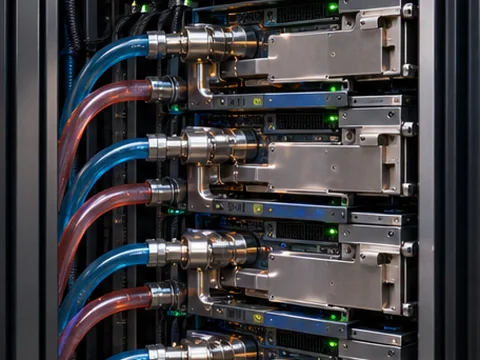
Replacing cooling equipment in an occupied data center creates a construction exposure inside an operating insurance program. The Department of Energy data center design guide distinguishes cooling and air management techniques and supplies useful design context. The insurance submission should explain the installation being changed and how the facility will support existing tenant loads at each stage.
Treat each transfer as a separate commercial decision
Prepare a phase calendar that includes temporary operation, isolation of existing equipment, contractor activity, tests, early use and handover. State which parties control the work and existing systems at each step. Ask whether temporary cooling equipment is leased, who bears the risk of loss while on site and who can authorize an emergency change. Review the builders risk and operating policies before the first planned transfer and seek clarity on any testing, partial occupancy and existing property terms.
Example — a pressure event affects existing tenant equipment
During validation of a replacement system, damage reaches a previous installation carrying an occupied hall. The contractor's new equipment and existing tenant property both need inspection, and service is temporarily contracted from another source. The root cause, work boundary and ownership of each damaged asset are central to reviewing builders risk, operational property, equipment breakdown and potentially contractor liability. Preserve the conditions before the incident, the authorized work scope and any stop-work instruction. Review whether the policy recognizes damage to property already in service. A signed contract may allocate loss without corresponding insurance.
Documents that clarify the transfer
- Phase diagrams and temporary capacity available at each stage of the work.
- Builder, owner, operator and equipment supplier insurance schedules and endorsements.
- Test, acceptance and occupancy records with signatory and date.
- Financial estimates for rental capacity, relocation and temporary loss of hall revenue.
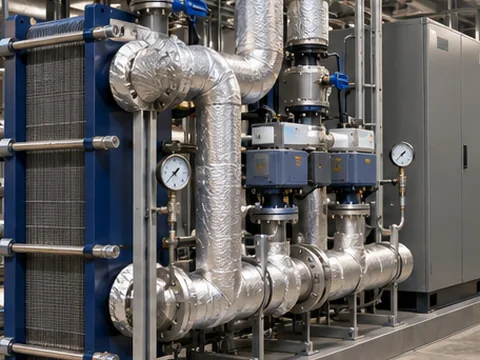
Resolve capacity and custody decisions before agreeing to dates
The contractor's schedule may assume that a specific tenant can lower load or shift work. Verify those commitments independently, including who authorizes the shift and whether the tenant receives concessions. Ask the engineer whether the capacity shown on the phase plan has been validated under the current load and conditions. Where a change affects insured operations or the project completion timeline, coordinate contractual and insurance notice responsibilities before the event. Financial impacts should be assigned to the entity that earns the income or invoices for each temporary measure.
Case comparison — temporary equipment is damaged first
Assume a rented cooling unit is damaged before it can serve a scheduled overnight transfer. The operator postpones the project to keep the existing hall in service. The renter faces repair or rental agreement costs and the builder loses time. Separate the equipment damage, potential costs owed under the rental and the reason the project was delayed. Review the rental agreement, temporary equipment coverage and any project delay wording. Determine which policy is intended to address delay and whether a covered cause, insured interest and financial amount are present. If there is no impairment to the current operating service, it would be inaccurate to automatically book the project delay as lost operating income.
Combine a marked-up drawing, phase calendar, actual transfer records and copies of key endorsements into one handoff set. A renewal or claims reviewer should be able to determine when control transferred, which system served the hall, and what insurance applied at each milestone. Preserve temporary capacity and contingency decisions as part of that record.