
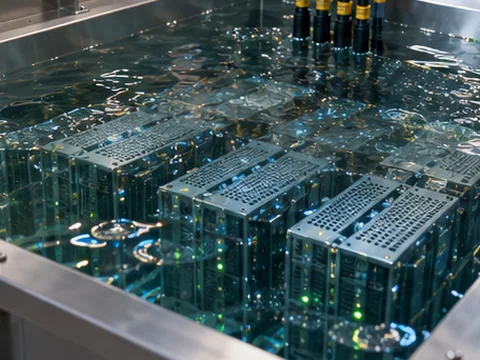
In immersion cooling, equipment installed in a dielectric fluid rejects heat into the fluid circuit. The operator must review the particular tank and fluid design, the equipment manufacturer's compatibility position and the facility's means of moving the resulting heat away. Open Compute Project cooling resources address immersion as a separate engineering workstream. A site conversion changes how hardware is received, serviced, stored and returned to use.
Identify the expected recovery for an affected tank
A risk manager can start by dividing the property into tank equipment, supported electronics, fluid inventory and shared heat rejection systems. Review whether the customer, operator or a third party owns each asset. Obtain written positions on warranty, compatibility and restrictions for hardware moved from another cooling environment. Ask who can safely handle the equipment and fluid after an incident, what spares are actually available, and whether fluid recovery or disposal requires contracted services.
Illustrative incident
An external leak leads to immediate shutdown of one tank row. Most electronics remain usable after inspection, while the operator has to replace a failed fluid-handling component and remove affected inventory from service. A neighboring row can operate only after the common heat rejection system is released for use. That sequence can create repair costs, potential environmental response expense, data hall downtime and a customer service concession. Identify which parties sustain each cost. Evaluate insured property, physical damage and breakdown triggers, any pollution wording and the relationship of time-element coverage to the affected property and restoration period. Preserve samples and records when relevant and coordinate evidence handling with the qualified response team.
Records to collect before placement
- Hardware and fluid compatibility documentation and known vendor limitations.
- Equipment, fluid and tenant-property schedules with site-specific replacement values.
- Recovery responsibilities by operator, tenant and supplier, including storage and cleanup contractors.
- A staged restoration estimate covering inspection, fluid replacement if needed, recommissioning and customer acceptance.

Ownership and movement decisions before deployment
Set terms for movement of submerged hardware between site, vendor and repair location. A single agreement can leave a gap if custody shifts from a tenant to the operator for removal and then to a third party before laboratory evaluation. Confirm which transport or contractor provisions cover that interval and how condition is documented. If the fluid supplier owns recovered product under a service agreement, reconcile that obligation with the operator's expected response expense. Ask whether the leased tank contract allocates costs of emergency removal, disposal or replacement.
Compare a service issue that causes little physical repair
Suppose an operator receives information that an electronics component or material may be incompatible with the fluid in a deployed system. The operator removes certain servers from service for evaluation, then resumes operation with only a portion of the fleet pending vendor advice. Even if component damage is ultimately identified, the shape of the loss can change once staff determine whether the issue affected specific batches or all similar units. Record why servers were held, what the manufacturer verified, and what work remains necessary before customers accept the reinstated service. The relevant forms may have different provisions on deterioration, contamination or direct physical loss. Insurance claim costs should be distinguished from a supplier warranty demand and commercial credit.
A complete submission should identify how the fluid is valued, whether enough acceptable replacement stock is available within the restoration period, and whether other installations rely on the same inventory. Estimate specialized handling and restoration costs separately from standard electronic replacement values. Compare the contract's target for restoring usable capacity with the company's preferred insurance waiting period and the duration of backup capacity actually available.