

Value the cluster at the level where it can fail
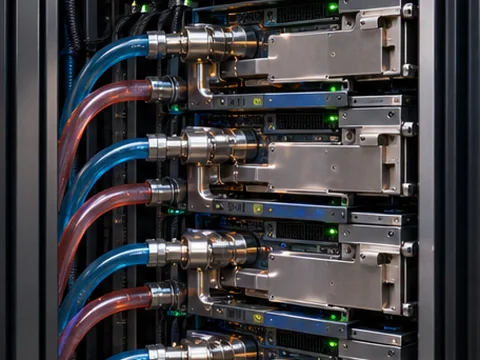
A rack schedule is a starting point for property underwriting. Add an inventory of accelerators, host systems, network fabric, control equipment, and cooling interfaces, along with the owner and replacement basis for each class. Then identify the smallest usable partition. A failed component might remove individual racks from service or make a wider cluster unavailable because scaling or redundancy relies on specific devices. Document that distinction rather than valuing interruption by rack count alone.
Make replacement assumptions testable
Obtain dates and assumptions for replacement quotes. Include scarce interconnect equipment, configuration labor, expedited freight, and compatibility checks. Where replacement requires redesign or a different equipment generation, ask how valuation or betterment provisions would apply. For temporary capacity, determine whether the customer's software, data, and licensing can move and how quickly it can return to production. The Lawrence Berkeley National Laboratory report on data center energy use provides national context for the demand associated with accelerated computing. Site decisions should use the actual cluster design and operating limits.
Work through a localized outage
Suppose a distribution board fails during a large training run. Some racks are undamaged but cannot run the customer's job together until the electrical path is restored and performance is validated. Separate physical repair, restoration tests, the cost of repeating work, and business income or customer remedies. Confirm which entity incurs each cost and how the relevant policies define covered loss, restoration and insured earnings.
Evidence for underwriting
- A rack and dependency schedule joined to ownership, location, values, and capacity commitments.
- Representative workloads, tested failover boundaries, and time to restore usable capacity.
- Replacement estimates with alternate suppliers, compatibility constraints, and authorized commissioning steps.
Discuss each loss category against the issued property, equipment breakdown, cyber, or technology liability forms. Closely related operational costs can be treated differently based on the facts and wording.
Establish restoration milestones the capacity buyer recognizes
Work through availability from equipment power-on to usable scheduler capacity. A spare accelerator may restore a node without restoring a cluster of the capacity reserved by the customer. Ask the operator which test demonstrates that the interconnect, storage, orchestration, and thermal envelope are adequate to run production jobs. Define whether the tenant can elect a different configuration when equipment is scarce and when its commercial approval is needed. Keep supporting utilization and queue data at a useful resolution, subject to client confidentiality and evidence preservation requirements.
An alternate loss scenario involves latent damage to recently installed accelerators. The affected units meet some workload demands but repeatedly fail a production burn-in. Require the engineering evaluation to distinguish a common defect or firmware issue from evidence of damage to a specific unit, and document which components remain available. Separate isolated replacement, redesign, integration labor, and repeated customer workloads in the cost record. Check warranty, contractual acceptance and potentially applicable policies in parallel. Where an event occurs during commissioning, determine which interests already entered the operating program and which testing terms still apply.
Use the recovery model in the renewal meeting
- Which components require a particular model or integration partner, and which have verified alternatives that meet the same service requirement?
- What event would stop a revenue-bearing workload, and who owns the earnings documentation to validate the result?
- If a temporary cluster can run a lower-performance job, how will finance show expenses incurred to maintain some service and earnings still lost?
- Does each proposed form measure replacement cost, reconfiguration, expedited expense and revenue on the basis in the recovery model?
Obtain the assumptions underlying vendor estimates, identify whether each quote includes installation and acceptance testing, and retain committed supplier dates separately from informal lead-time estimates.
Have the hardware supplier state whether a support contract provides an individual replacement, on-site integration help, or a guaranteed compatible configuration by a particular date. An advance replacement commitment can reduce downtime only if the operator also has compatible spares, vendor access and authority to restore affected tenant or owned workloads.