
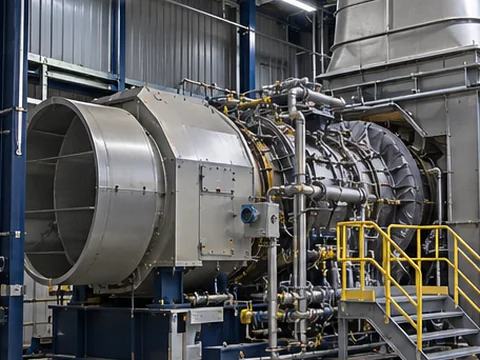
Gas turbines can provide electric generation and, in an appropriate configuration, usable heat. Turbine projects can expose an operator to long lead times for specialized modules and vendor labor. A property schedule based only on first cost can miss the expense of moving, reinstalling, and recommissioning repaired equipment. Ask for a replacement value breakdown and an outage plan based on the actual model and service network.
Distinguish maintenance risk from sudden damage
Review inspection intervals, service histories, known anomalies, condition monitoring, and the supplier’s inspection or exchange program. Identify which items the service agreement covers during planned maintenance and which items are subject to exclusions, deductibles, or limitations of liability. Equipment breakdown forms use their own definitions and exclusions. A maintenance finding, progressive deterioration, and sudden accidental damage can lead to different analyses, even when the same part must be replaced.
EPA describes stationary combustion turbines and distinguishes simple-cycle, combined-cycle, and CHP configurations. Applicability of emission programs depends on plant-specific facts and the governing rules. EPA stationary turbine overview
Example of a constrained repair
Consider a turbine trip followed by verified damage to a rotating component, with an exchange module available sooner than a shop repair at a higher upfront cost. The management decision depends on avoided income loss, the contractual outage date, and approval needed to preserve recovery. Compare equipment value, expediting expense terms, the income waiting period, and any limitations for off-premises storage or transit. Establish ownership of the replacement module before moving it.
Underwriting and claims materials
- The model-specific repair plan, OEM support commitment, exchange contract and estimated repair schedule.
- A generation and power-purchase baseline, including how utility imports would change operating costs.
- The failed-component chronology, photographs, monitoring trends, and vendor analysis retained by qualified parties to help establish cause.
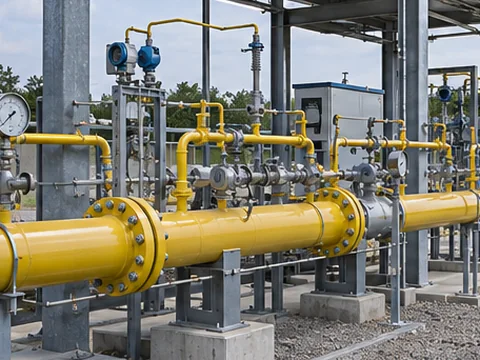
Distinguish what the sponsor owns and what the operator controls
The equipment owner may grant an O&M provider responsibility for maintenance while keeping title to the turbine, fuel inventory and spare assemblies. Determine whose authorization is required for teardown, refitting and vendor selection. A tolling agent can face loss of output or margin without owning the damaged rotor or bearing. Ask whose policies insure property, whether loss payable provisions identify lenders, how one party’s insurance work interacts with the vendor’s custody and warranty terms, and which obligations are retained under caps or deductibles.
Examine the actual duration supported by the estimate
Separate assessment and shop queue time from parts transportation, recertification or acceptance, reinstall, load test, and applicable outage scheduling. An exchange module can reduce the physical repair period, while no charge for a warranty repair may still leave a long income loss. A vendor may give an estimate based on a model with a different configuration. Request model-specific dates and trace the critical path with the mechanical, electrical, fuel and operating teams.
Compare two files a carrier could see
In the first file, a planned overhaul uncovers progressive deterioration with no documented sudden failure. Review maintenance obligations, replacement reserves and the form’s exclusions before estimating an insurance contribution. In the second, operating logs and a qualified inspection document an abrupt breakdown during normal service. Retain the specialist’s findings and use the applicable coverage definition, but account separately for preexisting deterioration, unrelated upgrade costs, and a deductible. Contrast the standard repair and exchange scenarios on actual capacity restored and expected margin. Obtain any approvals required by the policy and maintenance agreement before committing where practicable.