
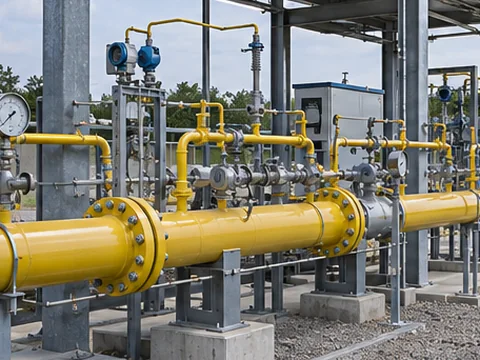
A gas supply agreement can promise a quantity and a delivery point while imposing separate specifications for quality and pressure. The plant’s accepted operating envelope may have different limits from the fuel seller’s shipment terms. An appropriate engineering and contracts review should compare the two at the actual custody-transfer point. Resolve ambiguities before relying on the promised output in tenant contracts or lending models.
Assign evidence and reporting responsibilities
Identify the records that will show whether fuel delivery complied with the contract. Name the party responsible for metering, calibration, communications, and any testing when a deviation is disputed. Consider who receives notices and who can reduce operations or seek alternate supply. Review price adjustments, measurement challenge periods, remedies, and responsibility for damage that extends beyond the immediate delivery point.
Example of derating and later physical damage
A generator initially derates when fuel delivery falls outside expected conditions, followed later by an observed machinery issue. Depending on the technical findings, losses during the first period may have a different cause from the later repair. Determine the time of each event, the equipment condition before failure, and what resulting damage, if any, a form could address. A contract claim may depend on proving the agreed specification was breached and establishing who bears responsibility. Ask the broker about these policies’ treatment of mechanical breakdown, contamination or affected property, and time-element losses or additional purchases, without assuming that any one provision applies.
Useful records
- The actual gas quality and pressure obligations and their comparison with accepted equipment parameters.
- Time-aligned supplier notices, meter data, operating history and specialist findings.
- Fuel invoices, campus dispatch records and downstream tenant performance evidence.
- Current insurance forms and contracts for each potentially responsible participant, including evidence preservation and notice requirements.
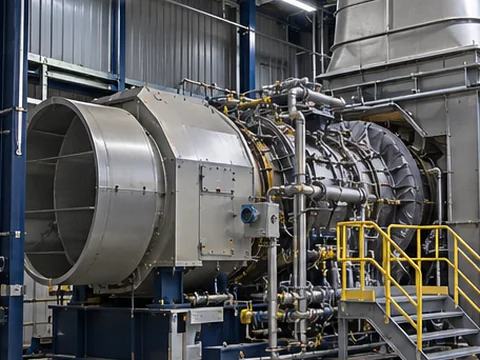
Set an objective baseline before binding terms
Request the actual acceptance criteria, delivery point records and the vendor's commitment to operate within those specifications. Record any stepped availability or approved step-down for unusual fuel conditions. Confirm whether the party with rights to dispute delivery records is also the party paying for resulting replacement power. A marketer may acquire and schedule gas without owning delivery facilities or having access to the plant’s internal records. The plant operator should document supplier and site points in one comparison exhibit, with qualified specialists providing the technical conclusions.
Compare measurement disagreement and resulting equipment harm
Suppose the supplier believes its deliveries comply with the agreed specification, while the operator has a record of production derating. No damage is identified during that first interval. A later physical issue requires a dedicated specialist assessment of the equipment and any possible link to fuel. Keep commercial assertions about fuel quality separate from verified damage and cause. Review how insurance terms define a covered cause, treatment of contamination or gradual deterioration, and income time elements. Check separately for supplier remedies, which may involve notice deadlines or independent evaluation.
The buyer may have to cover incremental purchased electricity while contract interpretation and technical work are ongoing. Record the actual output available, what the operator purchased, and what charges were avoided as production fell. Compare whether the power buyer and plant owner own separate losses, then identify records each party can share with its own insurer and counsel under the agreements.