
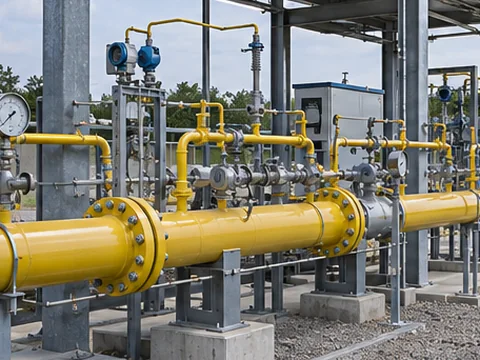
A pipeline lateral and meter station can be critical to a campus even if the power plant operator does not own either. Identify the utility or pipeline operator, the site buyer, and any separate owner of the connecting assets. Locate the operational control, transfer of title to the gas, and property insurance boundaries on the site drawings and contract exhibits.
PHMSA describes federal oversight and state partnership for pipeline safety. For an individual lateral or station, ask the appropriate engineering and regulatory advisors to identify the governing requirements and responsible operator. Asset position alone does not settle jurisdiction. PHMSA pipeline safety oversight
Specify the equipment and repair obligation
Review location and ownership for the meter body, pressure reduction equipment, heaters, controls, and remote communications. Identify which party schedules maintenance, which party receives quality and pressure notices, and who can initiate a return to service. Identify ownership of the electrical and communication service supplying the station. Failure of the station’s support service can have the same commercial effect as a problem in the lateral.
Example involving adjacent property
Excavation damages a third-party lateral near the site, causing interruption at the gas plant and utility purchases at a higher cost. Physical damage has occurred, but to property outside the operator’s own traditional property schedule. Determine whether the actual utility-services or contingent-coverage wording describes the supplier, affected equipment, cause of loss, radius or territory, and qualifying interruption. Review contractual liability and the damaged owner’s rights separately. Photographs, utility repair records, meter events, and plant optimization logs tie the interruption to its cause and duration.
Ask for two practical exhibits
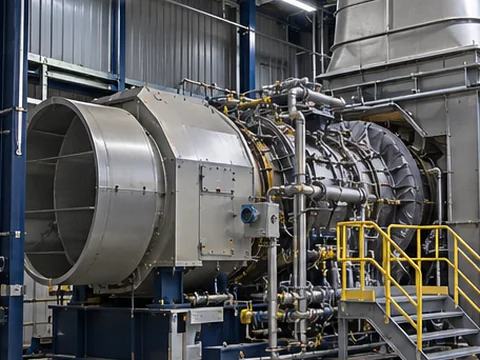
Obtain a diagram marking custody transfer, connectivity, alternate paths and common dependencies. Pair it with a dated matrix showing each asset’s owner, operator, insurance arrangements, response obligation, and measurable restoration time.
Examine control and ownership in a real interface meeting
Have the pipeline operator and plant owner agree who owns valves, regulators, communications, equipment buildings and any campus side metering equipment. Identify whether the gas-sale contract and transportation agreement both use the same delivery definition. The plant’s exposure may include a local structure physically within the campus fence that the utility operates and insures. An asset elsewhere can be essential to the plant even when no contract gives the campus a direct role in its repair. A dated responsibility matrix identifies the party that can approve an outage, notify customers and preserve relevant incident records.
Compare source and location restrictions against alternatives
Suppose the site has a second supplier with a different upstream receipt point but the same final station. Model station loss separately from interruption of one seller. Compare a burst due to qualifying physical loss with a temporary cessation due to administrative or operational requirements without physical damage. Ask the insurer to identify the actual locations, asset categories and causes an endorsement requires before it would be considered. An external outage may remain outside of coverage when critical gas equipment is improperly described or excluded. Consider whether the contract gives the buyer rights to receive different fuel or procure power and whether those options require new approvals.
A practical finance review identifies how many hours the delivery issue would reduce capacity, which tenants or generation counterparties would be affected, and which cost belongs to the utility, campus or seller. Keep written network diagrams, supplier letters, notice dates and mitigation invoices in the operator’s claim file.