
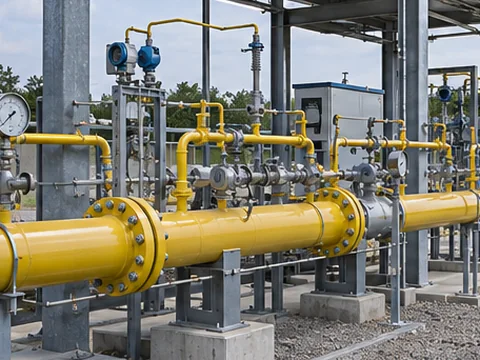
A power plant can consume gas on an operating profile that differs materially from the daily schedule its fuel supplier expects. Nominations communicate requested gas movements and balancing provisions address the gap between scheduled and actual volumes. The responsible parties and workable timelines depend on current tariffs and contracts. Operations, procurement, and dispatch teams should agree on who watches these gaps and who acts when the system changes its operating instructions.
Define the party responsible for fuel scheduling
Document who nominates gas, who receives notices, and whether the plant, marketer, or transportation shipper has authority to submit a revision. Review the contract definition of the billing day, permissible tolerances, notice windows and available flexibility. Ask counsel to confirm how imbalance charges, penalties, and supplier replacement costs are allocated. Preserve the current tariff or statement of operating conditions, particularly where interstate and intrastate services intersect. FERC discussion of intrastate transportation filings
Example of a mismatch between schedules
A utility outage prompts a campus to dispatch its own generation at a higher level than forecast. The marketer obtains additional commodity, but the transportation schedule and system constraints limit immediate delivery. The campus also receives a charge arising from deviation from its schedule. There may be no equipment damage at the campus. Review contractual remedies and expected working capital separately from insurance protection. A market charge, penalty, or margin reduction warrants its own contract and policy analysis.
Prepare a claim-ready record
Preserve the baseline schedule, meter readings, timestamps of alerts, communications from the shipper, dispatch records and underlying contracts. Reconciling the time of constrained delivery with equipment logs helps distinguish shortage, pressure deviation, and an equipment trip. If there is damage or an interruption claim, document the policy’s waiting period, covered cause and applicable supplier or utility endorsements before estimating recovery.
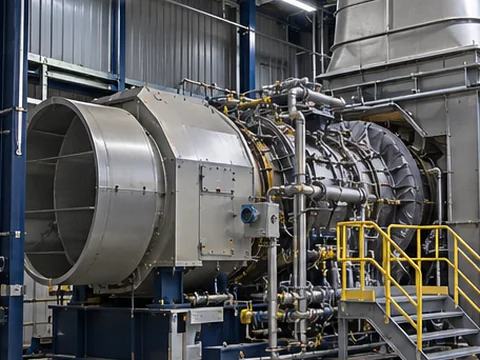
Test a dispatch change against the scheduling agreement
Begin with a scenario in which the campus power buyer calls for incremental output after a long utility interruption. The O&M provider can confirm the plant’s technical ability to ramp, while the fuel supplier may have delivery rights conditioned on prior schedules or capacity available at the time. The gas scheduling exhibit should say who receives the change request, who must confirm delivery, and what evidence permits the campus to treat it as accepted. Ask procurement how an on-site or remote operator sees current confirmations, and whether a different notification and approval chain applies when the scheduling lead is unavailable.
Compare prices and responsibility over different billing periods
Give finance an example using agreed contract definitions. A seller may charge for an imbalance even though the downstream meter registers sufficient monthly volume, because a shorter period was out of tolerance. Compare actual tariff language, supplier terms and applicable settlement rules before building the example. Then consider a distinct fact pattern where confirmed gas delivery is interrupted after property damage upstream. A contract breach or a policy benefit would depend on the facts and wording applicable to that distinct event. Record when equipment was fit to operate and what output was financially affected by lack of fuel.
For a claim review, keep gross margin impact, contract damages, cash paid to a replacement provider, and any disputed penalty on separate lines. Document the payer, who incurred and mitigated each loss, and whether payment or other relief from a counterparty affects the carrier’s review. Ask counsel and broker to agree a reporting path while responsibility and cause are unresolved.