
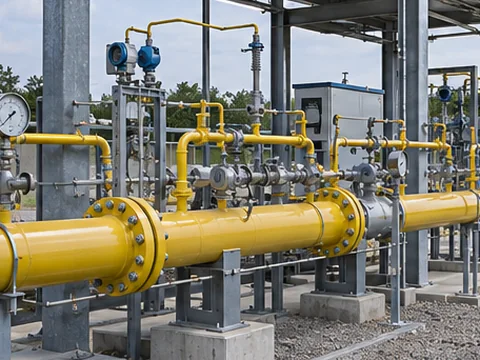
A gas purchase agreement addresses commodity supply. Transportation rights address movement of gas on a particular system. A generator can have fuel under contract and still face constraints on moving it to the delivery point. Examine each segment of the delivery chain because the end-to-end service depends on the rights and physical capabilities that connect those segments.
Read the actual tariff and service agreement
The Federal Energy Regulatory Commission’s restructuring of pipeline services describes firm and interruptible transportation as distinct services. Priority, nomination, curtailment, and other rights for a specific site depend on the current tariff and executed agreements. Confirm the primary receipt and delivery points, which paths are secondary, which shipper is responsible for nominations, and the pipeline's rules for operational notices. FERC Order No. 636 overview
If the plant owns no transportation capacity, ask the supplier what physical and contractual arrangements back any claim of firm delivery. Separate priority from physical interruption and check force majeure, pressure specification, credit requirements, and available remedies with counsel.
Example of constrained delivery
During cold weather, a marketer has gas available but the shared delivery route curtails interruptible service. The generator produces less than the campus expects and no insured equipment suffers physical damage. The fuel contract could establish a remedy, a notice requirement, or a valid excuse. Property time-element coverage often relies on a defined trigger. A fuel curtailment without physical damage requires specific policy language or another independently responsive coverage. The campus still has to fund any response that a policy or contract does not reimburse.
Evidence and questions
- Map each segment from commodity supplier to burner, including which firm rights, if any, are held in the customer’s own name.
- Ask whether supposed alternate deliveries share the same lateral, compressor station, or gate.
- Track fuel shortfall consequences separately from equipment loss, replacement power expense, and tenant service credits. Review each against the current forms, endorsements, and contracts.
Put the delivered commitment beside the tariff
Ask procurement for the executed commodity agreement and the document that grants transportation rights for each path. Note where an agent acts for the generator, whether another shipper can redirect its own capacity, and where a seller’s physical delivery obligation ends. Receive a representative invoice or settlement statement to identify reservation and variable charges. This documents commercial structure without relying on the terminology in a bid presentation. The team should understand who bears the cost of obtaining substitute fuel and who has the ability to arrange it before the campus enters into availability commitments.
Compare owner and offtaker losses over a long event
Suppose the seller is liable for buying delivered substitute fuel up to a contractual cap, and the customer must procure replacement electricity after crossing a separate outage threshold. The replacement power exposure will be concentrated in the hours that exceed the reserved pipeline’s capacity. Additional cost estimates should reflect only incremental expense over the agreed baseline. Any contractual recovery should be presented separately from claimed time-element amounts. Ask the broker for a comparison of a pressure-related shutdown without damage, a qualifying incident at an off-site asset, and physical damage at the campus. If the policy requires covered damage at scheduled property, a physical failure on an upstream line may still fall outside the form.
Before renewal, ask each responsible party to confirm the provenance and current status of the documents. Assign who will keep operator notices, scheduling records, actual meter quantities and utility purchases, then check whether the operator and counterparty retain records on a compatible time basis after an event.