

Start with a parcel-level risk file
Record geocoded boundaries, property interests, adjoining exposures, planned phasing, expected utility interfaces and construction access. Collect civil and environmental assessments appropriate to the site. Identify flood and drainage issues, anticipated construction approaches, emergency response constraints and the ability to bring in large equipment. Reconcile what the project team intends to build with what the utility, land and access arrangements actually support.
Test the assumptions behind occupancy
List rights that must be secured before the facility can operate, including access, connection and service agreements where applicable. Record interim solutions the project expects to use and who owns any temporary assets. FEMA's National Flood Hazard Layer can help locate official mapping products. Confirm other site facts with relevant authorities and qualified advisers. A single parcel screen does not establish utility availability, engineering suitability or your insurance terms.
Example — the preferred route is unavailable at a critical stage
A data center site meets the sponsor's capacity criteria. A restriction on the approved transport route prevents arrival of a large component on the expected schedule. There is no physical damage. Compare the purchasing and delivery obligations, alternate route cost, delay consequences, and scheduling mitigation before assuming an insurance event occurred. Keep facts about property damage distinct from the operational impact of unsuitable access.
Evidence to bring to underwriting
- Boundary and exposure mapping with planned buildings, third-party assets and access points.
- Current assessments, approvals, dependencies, alternate arrangements and dates that remain uncertain.
- Project values, staged civil work, milestone exposure and the named entities acquiring interests.
Review what will be insured during acquisition, construction and occupancy and what exposures require redesign, contractual protections or mitigation. Flag subcontract-dependent access and environmental issues early, while options remain open.
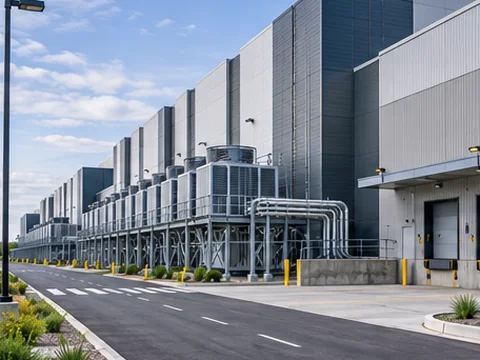
Stress-test the intended development concept before acquisition
Prepare a sequence of required conditions for possession, utility commitments, notice to proceed, major equipment delivery, acceptance and service. Distinguish expected service from documented provider commitments. Include offsite work and third-party improvements where they affect access, testing or continuity. The final campus design may depend on utilities or temporary facilities outside the land secured for the project. Ask who assumes loss from those dependencies, how they will be financed, and how the organization could proceed if nearby development or changing site conditions alter the plan.
Consider an additional scenario involving an acquired site that looks acceptable in a parcel assessment but has a utility approach crossing another owner's property. A physical incident damages the utility asset before testing. The project team must confirm ownership, the damage cause, the revised service schedule, and rights to authorize repairs. Evaluate actual covered property or provider provisions alongside contracts allocating the cost and timing of restoration. If temporary service is considered, document approvals, deliverable capacity, property risks and whether the arrangement enables revenue or just allows limited testing.
Bring the site investment decision into the risk review
- Are important property boundaries, development assumptions and access arrangements corroborated by current documents?
- Who inspects offsite dependencies, which conditions have been verified, and when might they change?
- What is the current financial exposure if permanent service or access is unavailable, and what options are realistically achievable?
- How do expected insurance placement, deductibles or conditions affect the project budget and dates?
Maintain a dated issues log so the development, financing and underwriting teams can see the decisions still open. Keep cost scenarios and uncertainty explicit where prospective permits, contracts or engineering assumptions remain unresolved.
Prepare a table of road, electrical, water and network assumptions showing the verifying party, expected evidence and date each materially affects the schedule. If the site depends on temporary construction access, document how it changes after occupancy when repairs or replacement deliveries require the same routes.