
Build a timeline that multiple teams can use
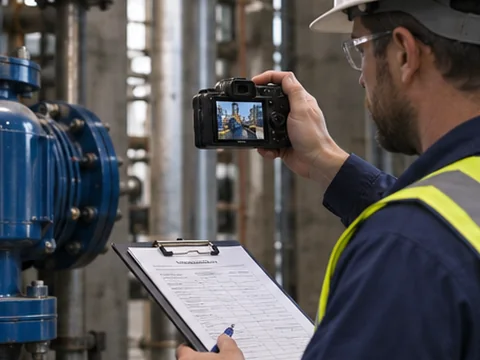
Assign an incident owner and specify a standard time zone. Record observed events separately from conclusions. Gather equipment telemetry, alarm history, maintenance records, communications, and security or environmental reports. Note which systems refresh or overwrite data and who can preserve copies. Allow each contributor to identify their role, certainty of observations, and source. Update the timeline as facts are confirmed and retain earlier versions.
Example after a brief room outage
Several racks fail after a power event. A controls display initially points toward a utility interruption, while the equipment histories indicate a fault downstream of the service boundary. The site continues investigating. Capture independent reports, the location of affected components, the availability of power to unaffected systems, and before-and-after alarms. Track customer impact and expenses separately, including temporary services. The cause, affected property and duration may matter to different forms, and carriers may request different evidence.
Use fields that stay useful during a claim
- Exact timestamp, time zone, source, system, observer, and observation versus inference.
- Location, affected assets, service dependencies, capacity, and when each function returned.
- Mitigation decision, who approved it, and related expenditure records.
- Internal escalation, carrier or broker notice, customer notice, and other communications.
- Evidence reference, original custodian, copy date, preservation method, and access permission.
The NIST incident response publication describes organized incident response within cybersecurity risk management. A facilities incident may call for its own authority, procedures, and evidence rules. For any incident, follow site safety and emergency procedures and coordinate notices with counsel and insurance advisers.
Keep machine records distinct from the working timeline
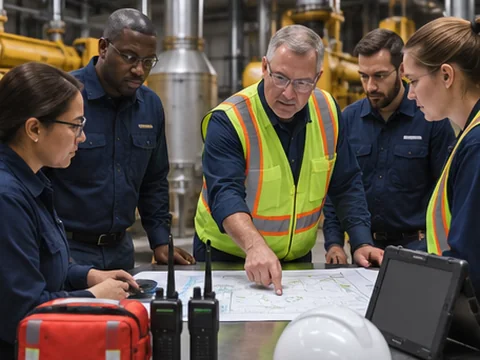
Collect operator logs and maintenance records with their time zones and identifiers. Ask whether systems synchronize clocks and whether some records need translation into a common time zone. Preserve the original data, then create a separate normalized view for coordination. Record who added each entry and which source supports it. Mark unresolved conflicts rather than overwriting older information. If records include customer-sensitive or restricted data, appoint a custodian and keep a signed access or disclosure decision where appropriate.
Add decision times and affected interests
Separate physical stabilization, root-cause work, repair approval, delivery of replacement equipment, partial restoration, and declared return to service. For each event, write which part of the site or customer function was affected and who authorized changes. If another party owns or controls the failed asset, track preservation and repair decisions for that equipment alongside notices received from vendors or operators. Save invoices and work orders related to each stage with the reason for authorizing work.
Maintain an action section for open information requests and impending notices. Depending on the incident and applicable policy, request evidence of prior condition, witness statements, impairment records, or vendor findings. Preserve date-stamped photographs and access rules without exposing unnecessary details. Have the site lead, finance, and broker agree who reconciles operational records with financial loss information. While technical findings are pending, communicate the observed facts and reserve decisions about coverage or cause for the appropriate claims or technical reviewers.
Include handover and reopened operations
When operation returns by area or service, document who saw the restoration, how it was tested, what temporary measures remained, and who authorized use. A technically ready system may depend on a tenant or customer to confirm actual availability. Retain both observations with the appropriate time zone and supporting records. An updated incident log should account for disputes or the reappearance of symptoms after restoration so a claims reviewer can distinguish a later problem from a continuation.