
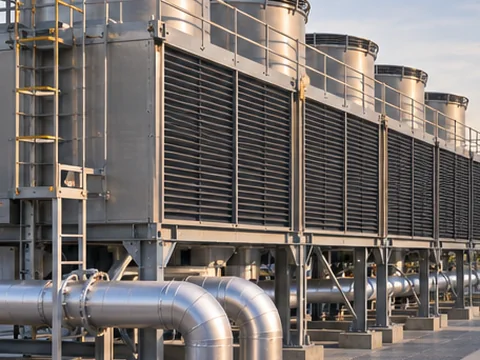
Economizers use favorable outside conditions to reduce demand for compressor-based cooling. The design may use an airside or waterside approach depending on the installed system. The Department of Energy data center design guide describes these system options and their operating context. A property submission should document whether fallback cooling supports the normal load when the economizer is unavailable.
Define the conditions that change available capacity
Ask about anticipated site events such as smoke, airborne contamination or weather outside the design assumptions. Have engineering state the effect of moving to another cooling mode, including the equipment and electrical capacity it requires. Review the basis for that conclusion against the site’s current equipment and rack loading. A previous operating assumption may be obsolete after additional halls or racks are commissioned.
Example — smoke and derated operations
Regional smoke prevents continued use of a facility mode that draws outside air. The operator shifts to available mechanical capacity and reduces part of the load. Some areas need cleaning and filtration replacement. Distinguish reduction in capacity from verified physical condition changes, document why certain equipment was removed from service and retain readings and service records. Review policy definitions of damage, applicable smoke or contamination clauses, the time-element trigger and any relevant sublimits. Routine service expense, protection expense and restoration of damaged property may be treated differently.
Information underwriting can use
- Facility description showing economizer type, dependencies and the equipment supporting fallback cooling.
- A documented estimate of supported load under alternate modes at site-specific conditions.
- Emergency and maintenance plans, with assigned decisions for shutting down or restarting a hall.
- Tenant arrangements on environmental conditions, notice, disruption and staged recovery.
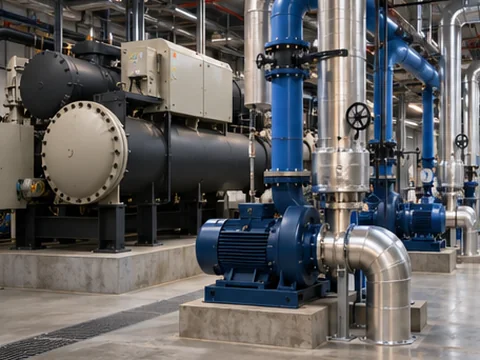
Distinguish change in operating mode from loss of the machine
A facility may respond to adverse outdoor conditions by switching to another mode, while staff also investigate damage or contamination. Procurement should ask what components have to operate for that mode to work and whether the generator plan and electric service can support it. Finance can compare expected savings under the economizer's design with added costs during a disruption. Gather proof of the original approved conditions and any capacity increase after the installation was accepted. The equipment capacities and financial assumptions should use the same scenario.
Case comparison — a controls change blocks the sequence
Imagine that a scheduled update changes the operation of the economizer overnight. Staff then discover that the facility cannot change modes as required to carry the expected load. Some customer areas see reduced capability and the plant uses more purchased cooling. Preserve the approval record for the update, control trends authorized for review, written diagnosis and changes made in response. Identify whether there was mechanical or electrical damage, an operational decision to conserve capacity or a software-related event. Compare the facts separately to property, equipment breakdown and any applicable cyber or technology liability forms. Review the controls vendor's correction obligations and billed support so any claim can distinguish service remediation from covered loss.
In renewal discussions, ask the insurer to review a case where smoke enters indoor areas, a case where operators avoid introducing smoke by changing mode, and a case where equipment cannot support the transition. Matching a recovery estimate to those differences is more practical than using one generic economizer failure scenario. Identify the expenses and service obligations the operator would handle for each case.