
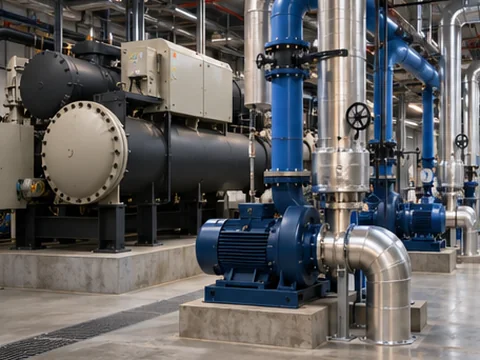
Cooling pumps transport liquid between heat removal and rejection equipment in facilities that rely on water or technology coolant circuits. Facility designs can include multiple pumps, but a risk review has to establish whether an alternate pump can actually support the same load during maintenance or a fault. The Department of Energy data center design guide sets out the cooling system design context. As-built information and site acceptance evidence matter more to underwriting than an unqualified redundancy label.
Review the dependencies that can defeat a transfer
Identify common controls, electrical supply, valves and pipe sections. Ask whether a shared item outside the primary redundancy count can take down both the normal and alternate path. Obtain the latest operational test summary and understand if the test demonstrated only a start command or delivery of usable cooling under relevant conditions. Include periodic changes in design, such as a branch extension or use of temporary equipment.
Example — a standby pump transfers but service remains inadequate
A pump is unavailable after a mechanical incident. The standby pump starts, but a separate restriction in the common flow path limits circulation to the furthest hall. The operator relocates some workloads while the plant is evaluated. Document the condition of each unit, the cause of the shortfall and the effect by facility area. A property, equipment breakdown or service interruption claim requires the applicable triggering facts. A continuing loss after a mechanical repair may call for evidence of why service could still not be restored.
Questions before renewal
- What is the cooling capacity with one unit unavailable and another undergoing scheduled maintenance?
- Who can establish actual conditions at affected halls, and which records will be retained?
- Are common components included in the replacement and service plan?
- Does the income model reflect the capacity that can be preserved rather than treating all halls equally?
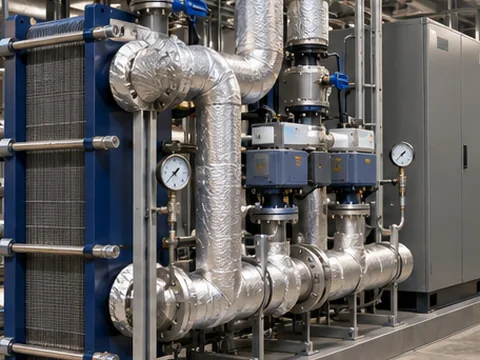
Separate equipment availability from delivery of useful cooling
A visible operating pump can still be part of a system unable to support a specified service level. Ask which sensors or maintenance evidence establish conditions at critical loads, how changes in the distribution network are recorded, and whether facility readiness is reviewed against documented customer commitments. If supplier obligations are limited to replacement of an individual pump, assign the separate work of inspecting common piping, controls and related systems. Have the responsible engineering team identify the dependencies and validate any proposed alternatives.
Case comparison — the same controls affect both duties
Suppose no pump is initially broken, but a common control fault prevents several units from operating as expected. The site recovers part of the load before investigation concludes and later finds damage associated with the event on one component. Use maintenance logs and vendor findings to distinguish the condition before and after the observed damage. Review whether the applicable form requires damage, what constitutes a breakdown and how potentially separate causes and exclusions are treated. Provide the broker with both the lease and maintenance scopes so costs tied to promises by outside parties can be evaluated separately from property expense.
Before buying a retention based on a redundant design, run financial scenarios for a single pump failure, a shared controls event and an outage during maintenance. Identify the realistic period of exposure by supported hall. Estimate engineering attendance, emergency response, maintenance costs and lost income as distinct categories. If the operating site can preserve part of its contracted service, quantify that income and identify any expense paid to do so. This analysis gives the broker better evidence than a count of the installed pumps.