
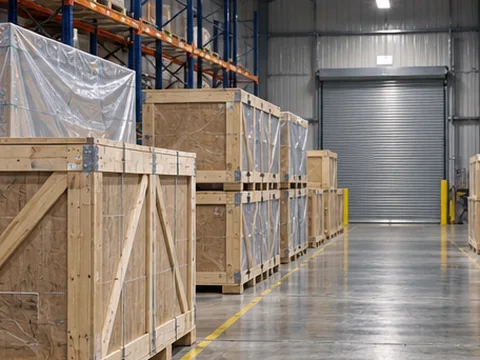
Inventory equipment where it waits
Track the current and expected location of equipment, actual storage period and custodial party. A temporary facility might receive multiple deliveries intended for different halls or projects. List the values exposed to one event, protection against site-specific incidents, access controls and who is permitted to move or inspect the property. Obtain and retain the applicable manufacturer storage instructions.
Treat temporary moves as controlled changes
When a construction date moves, a logistics team may choose a different yard or warehouse. Confirm where the equipment is going, who approves the storage conditions, why assets are being consolidated and when ownership or insurance obligations change. Review the address and value concentration with the parties arranging insurance. If construction equipment and project materials are stored together, distinguish those assets in the schedule.
Example — short-term storage becomes extended
An owner stages switchgear offsite for several weeks expecting a prepared electrical room. A project delay extends storage and the warehouse receives several more items. A property incident later affects multiple assets. Obtain photographs, delivery records, storage authorizations, location history and maintenance evidence. Check policy terms for the actual address, applicable sublimit and valuation. Document any physical damage separately from the schedule impact of finding replacements.
Evidence for underwriting
- A register of property by location, insured interest, projected holding period and peak values.
- Storage conditions approved by the owner or vendor and evidence of regular inspection.
- Traceable approval for each relocation, including recovery plans and warehouse contract terms.
Ask how the construction, transit and warehouse programs apply to equipment away from the project, property of others, applicable deductibles and the costs of restoration. Compare protection against concentration where one covered event could affect multiple packages at once.

Distinguish manufacturer protection from insurer requirements
Confirm whether each type of equipment requires environmental control, re-inspection after movement, storage in a particular orientation, routine operation, or other vendor-prescribed attention. Work through who monitors each requirement and where it saves the records. Verify the controls, occupancy, and actual inspection rights at the selected premises. Include where the warehouse operator stores property belonging to other projects or companies. A location that satisfies the equipment vendor's handling criteria may still need a separate property, security and insurance review.
Consider an alternate event where condensation damages stored assemblies and some fault indications appear only when systems are energized. Preserve the storage history, continuous or intermittent monitoring, vendor guidance, relocation evidence, and installation conditions. Test whether the supplied condition records support the chronology rather than attributing cause prematurely. Separate physical damage, reconditioning and prevention, inspection expense, and a delayed acceptance date. Compare contractual obligations about the custodian's standards, notice rules, and replacement. Ask whether project, storage, or transit terms describe this site, timing and conditions and how they treat insured property or another party's legal liability.
Ask which controls can be evidenced after a loss
- Who keeps reconciled asset, packaging and condition records when a third-party vendor receives, handles, or transfers equipment?
- How do designated location limits, eligible property, maximum values and applicable self-insured amounts change across facilities?
- At what point does a warehouse subcontract, storage duration, custody change or significant relocation require notice?
- Which allocation of loss in the contract reflects physical property, claims against a custodian, or additional time required to obtain a replacement?
Keep a process for inspecting, preserving, and reporting the condition of equipment at each milestone. Confirm whether emergency cover or alternate storage supports both contractual and policy requirements.
When property is stored offsite, confirm how the owner retrieves it after a fire, flood, equipment incident or legal dispute with a custodian. Identify physical access, notice and inspection rights before making replacement promises based exclusively on the custodian's inventory or account statement.