
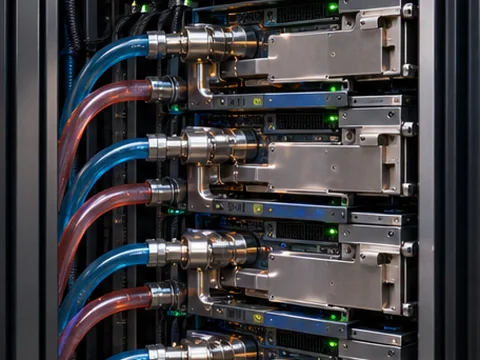
An air-cooled data hall may use hot- or cold-aisle containment to manage the mixing of exhaust and intake air. The Department of Energy data center design guide discusses airflow and equipment environmental conditions. An occupancy or rack configuration change can affect the conditions at equipment intakes even when the central plant remains available.
Decide when a layout change needs formal review
Ask who can approve moving a customer rack, installing a higher density deployment or modifying an aisle barrier. Establish how temperature excursions are recorded and how the site verifies environmental performance at the relevant equipment. Review customer agreements for what was promised and how compliance is measured. Useful evidence includes the as-installed rack plan and temperature records by area rather than an average reading for the hall.
Example — local overheating after reconfiguration
A new rack configuration leaves a portion of the hall with unstable temperature readings. Several devices shut down. An inspection finds visible damage to some components, and the operator limits other devices until corrective work and testing are complete. Review which components are insured property, the cause of any physical damage, and potentially applicable overheating, wear or breakdown language in the relevant policies. Evaluate business income or a customer liability allegation on the specific trigger and the loss claimed. An SLA may assess temperature or availability using independently agreed criteria.
Bring the facts to the broker
- Current rack layouts and records supporting environmental compliance before and after the configuration change.
- Responsibilities for monitoring, approving tenant changes and documenting exceptions.
- Vendor recovery requirements for damaged components and estimated time to resume service in each affected area.
- Service credit, notice and remedy provisions, including the underlying definition of an interruption.
Use available telemetry to narrow the service effect
When a tenant refreshes hardware, ask whether operators are collecting useful measurements at the equipment's air intake and whether changes in load are documented. Review the chain of approval for aisle configuration and which party is responsible for barriers, blanking and any changes to supplied airflow. A service agreement may specify measurement location or time interval. Record those details alongside the premises values and interruption assumptions. The quality of the evidence can affect whether a dispute concerns a site condition, a customer decision or a specific damaged machine.
Case comparison — response costs arise before hardware loss
Suppose a monitoring trend and customer reports lead staff to temporarily reduce server utilization. Investigation shows a physical configuration difference but no affected unit requires replacement. The customer argues that usable capacity was below the agreed level. Document when the site reduced service, the magnitude of the reduction and what steps returned it to normal. Operations should quantify which work could remain at the site, which workloads were shifted, and the associated expense. Evaluate the applicable service terms and expense allocation without presuming a property claim. If the incident later involves a failed fan or control component, preserve that information and reassess the relevant cause and time period using the policy.
Before a policy change, compare the service exposure of a localized temperature event to complete loss of room cooling. The number of racks affected and ability to stage return may drive business income much more than the cost of the airflow hardware. If a contractor is responsible for modifications, verify that its insurance and contractual scope address the actual work.