
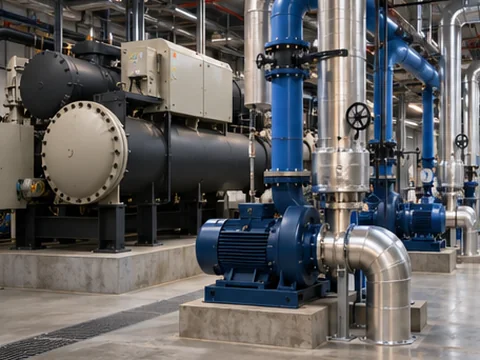
Combined heat and power can use a single energy source to produce electricity and recover heat for a useful purpose. At some campuses, an engineered absorption chiller can use heat from a CHP system to provide cooling. The economic case depends on the timing and value of the useful heat, and continuity planning depends on knowing how cooling and electric service can be restored independently. EPA CHP technology overview
Follow the second dependency
Map the generating equipment, heat recovery loop, absorption equipment, backup cooling system and utility connection. Review who owns and maintains each component, and which capacity is jointly available after a common loss. Identify the commercial parties earning power revenue, delivering cooling, and promising service to data hall customers. The affected income may sit with a different insured entity than the damaged generating asset.
Example of a power workaround that cannot restore service
A generator trip accompanied by physical damage cuts output and removes useful heat from the cooling arrangement. Utility standby service replaces the lost electricity, but a backup cooling train has not been accepted for the current load. The tenant experiences downtime while the resilience team repurposes capacity. Check whether property and equipment breakdown terms include the damaged asset, and whether a cost to acquire alternate capacity or temporary cooling can qualify as an expense under the specific coverage. If one entity owns the plant and another incurs the interruption, confirm any dependent-property schedule and contractual payment or limitation.
Records to collect
Capture accepted electric and thermal load balances, utility standby terms, the plant owner’s service obligations, and verified alternate cooling capacity. Preserve tenant service metrics and thermal logs during incidents to establish which constraint actually prevented service.
Assess whether replacement energy solves both losses
A CHP owner and campus operator can agree on delivered electricity volumes while relying on a separate thermal output to satisfy uptime commitments. Identify each commercial meter and separately model the electrical and thermal output under a full and partial plant outage. A buyer able to import electricity may still need another means of delivering acceptable chilled-water capacity. Have the engineer confirm which alternate systems were commissioned to the combined load and what it costs to bring them into effective service.
Separate asset damage and service-level remedies by party
Take a heat recovery train damaged by a sudden event. The plant continues with reduced thermal service, but has enough generation to meet an electrical delivery obligation. The facility owner may have a property or equipment breakdown loss, while the data center leases temporary cooling equipment or loses production in specific halls. Determine whether coverage depends on physical harm to the campus operator's own property or an applicable scheduled third-party asset, and what costs or limits attach. Compare contractual rights after deficient thermal delivery to the insurance recovery analysis. Supplier liability or payment obligations can use a different time measure from a property form.
Document measured electricity and thermal output before and after the change, equipment locations and owner responsibilities, invoices for temporary equipment, and service impacts by customer. Use separate assumptions for net cost and reduced tenant capacity, and confirm that neither measure double counts the same loss.