
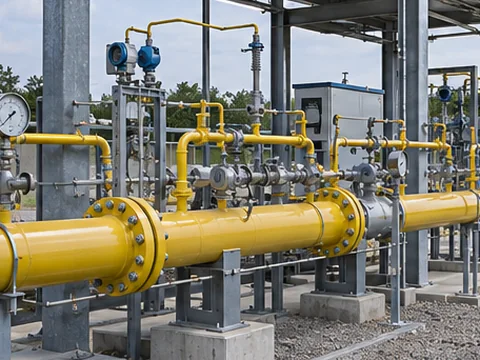
Underwriting a campus with on-site generation should include a weather scenario that affects several supposedly independent sources. Extreme cold can pressure electricity supply, fuel delivery and on-site generation at the same time. FERC and NERC documented coupled gas and electric reliability issues in their review of Winter Storm Elliott. Use their observations as a test prompt for the site’s own analysis. FERC and NERC Winter Storm Elliott report release
Start with a loss chain
A campus may count on imported power when its generation is unavailable. The utility system may also rely on gas-fired resources when the campus would need that power most. Fuel delivery itself may depend on off-site assets and electric service. Ask whether the campus will still receive its agreed import power, planned backup fuel, qualified maintenance support and replacement equipment under regional stress. Expected commodity price and financing liquidity are separate from whether service physically remains available.
Example for management review
A generator derates during a severe cold event. An upstream gas notice and a site equipment alarm occur within the same hour. A utility import constraint then prevents recovery of all tenant loads. Preserve generator and meter logs, notifications, temperature data, and contractual capacity records. An adjuster may need to distinguish covered equipment damage, an excluded or uninsured service disruption, and unrelated resource scarcity. The duration and priority of each sequence can change the amount of any claim. A firm fuel or power commitment also has to be read alongside curtailment and force majeure terms.
Evidence to request before renewal
Obtain a dated stress-test scenario, seasonal load forecasts, the planned staffing and service escalation arrangements, and engineering records showing how the site has evaluated cold exposure. Quantify the hours and margin lost at reduced output. Have the broker compare that model with utility-service terms, equipment breakdown definitions, waiting periods and maximum payable periods.
Model the campus under two different regional stress cases
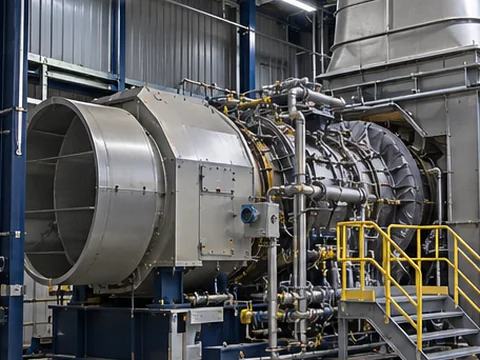
In a sequential case, an upstream interruption prevents enough gas from reaching a sound plant. In a concurrent case, the generator experiences its own physical failure after fuel restrictions begin. Show what volume the facility could generate in each period with and without the site casualty. A carrier will consider actual covered causes and the portion of loss attributable to each, subject to the applicable form. A vendor might dispatch repair staff after the same conditions interrupt transport access. Incorporate the cold-weather demand and labor assumptions into a dated recovery schedule.
Compare the sponsor, operator, and utility positions
The plant sponsor can bear equipment and repair costs while the data center operator pays an incremental power bill. The utility or fuel supplier may ration deliveries under its agreement. An offtaker that bought availability may have service credits or rights after a defined lost capacity threshold. Keep these amounts in separate accounting columns before combining them in a risk summary. If a campus uses imports, compare the amount purchased and what the campus would otherwise have spent. Seek review of continuity and equipment policies alongside commercial contracts so the team understands where physical damage to described property is required.
Request a qualified account of any prior extreme-weather events, including local equipment operation, utility service conditions, supplier notices and changes in actual output. Have the entity responsible for purchasing replacement capacity demonstrate how it can authorize emergency expense and when any market or contractual relief might become available.