
Identify when the buyer assumes the shipment risk
High-value technology equipment can pass through a factory, inland carrier, export terminal, ocean or air transit, port and temporary staging warehouse before reaching a site. Review who is responsible for insuring the property at each transfer and what documentation proves the shipment and condition. Purchase contracts, carrier documents and cargo insurance serve different purposes. Travelers’ marine cargo overview describes insurance used by importers, exporters and manufacturers; specific covered goods, routes and terms depend on the contract.
Example of concealed damage after delivery
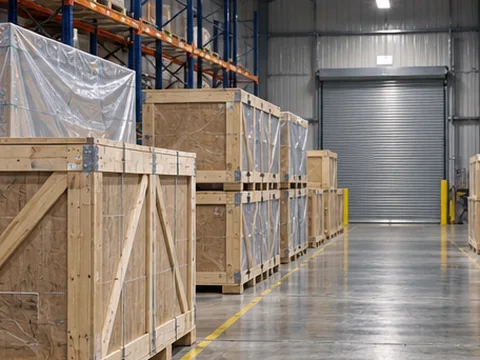
An imported transformer crate reaches a staging warehouse without visible external damage. Inspection before installation detects internal damage and the handling records show unusual shock readings. Preserve packing, sensor data, photos, carrier records, inspections and contractual notices. Determine the suspected time and location of damage, then compare the attached policy wording for transit duration, temporary accumulation, valuation and exclusions or warranties related to packing and handling. Arrange surveys before repair or release of damaged goods where appropriate.
Match the policy to actual movements
- Identify typical and maximum shipment values, planned warehouse dwell and equipment accumulating at the same location.
- Check packaging, lifting, securement and sensor requirements and who documents compliance.
- Identify when permanent property, installation or builders risk attaches and whether a storage interval sits between policies.
- Compare cargo replacement costs and the financial consequences of missing a delivery date.
Project buyers should obtain the full shipping acknowledgment, route and handoff map before authorizing delivery. Keep a procedure for reporting damage and preserving recovery against potentially liable carriers. Review any expected delay reimbursement separately from the cost of replacing the cargo.

Model aggregation and coverage points on the route
Use one route sketch for each class of equipment. Mark custody, carriers and storage durations, and identify whether the equipment is loaded alongside other orders or temporarily grouped in a warehouse. Discuss the concentration compared to the stated limit per conveyance or location as appropriate. A shipment may include both replaceable items and a unique component with a long lead time. Confirm the policy valuation and whether expedited replacement freight, salvage, removal of damaged goods or emergency surveys require special provisions. Clarify transit conditions during customs or shipping delays before any insurance representation is made.
Contract reviews should distinguish the responsibility for insuring the equipment from the responsibilities for transportation and payment. A claim may involve a carrier's liability limitations, notice time and contractual remedies as well as the cargo policy. Retain any cargo interests, declarations, consignee details, packing specifications and instructions for change in routes. Compare ownership transfers with the claims address and insured names. When an asset arrives at a project before the site can receive it, update the route file with the actual staging address and duration. Contacting the coverage team before a storage extension or unusual transshipment is easier than reconstructing when transport stopped after an incident.
Agree who owns the transit record
Name a central person responsible for checking the insurance schedule and coordinating receipt of long-lead goods. Purchasers should provide purchase values, agreed shipping terms, inspection provisions and expected custody dates. The logistics lead should record changes in deliveries, including alternate ports, carriers and staging sites. If operational pressure drives a late carrier substitution, verify authority, evidence of insurance and how the cargo form treats the revised routing. Confirm the insurer's applicable notice requirements, approved inspection or survey process, and salvage instructions before entering a release. Separately document lead times and business effects if delay could jeopardize a project milestone. Direct insurance on the cargo and financial consequences of delay require review as distinct questions.