
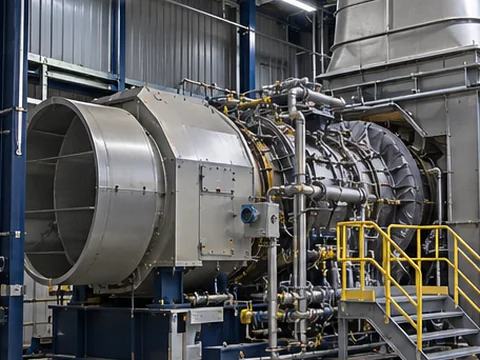
A third-party power arrangement can assign fuel procurement, output sales, repair obligations, performance guarantees and price adjustments differently from direct generation ownership. A tolling structure commonly raises questions about which party supplies fuel and holds dispatch rights. Read the specific agreement for title, control and payment obligations. The commercial labels used in presentations cannot establish insurance ownership or transfer.
Read the settlement and casualty provisions together
Identify what the campus purchases: actual energy, available capacity, an operating service, or a combination. Identify the seller’s repair obligations after a casualty, the buyer’s procurement rights when power is unavailable, and how fuel, market purchases and power quality are measured. Review force majeure, damage thresholds, availability tests, caps, step-in provisions, cure periods, and lender approval procedures with counsel.
Example of a split financial impact
A plant suffers damage to a generator module, and the provider and campus incur different costs. The provider pays for damaged machinery while the data center purchases replacement imports and faces claims over missed power availability. Compare insurance names, locations and dependency schedules with who owns the property and incurs the financial loss. A seller’s insurance certificate and contractual payment obligation each have separate limits. Replacement energy costs, liquidated damages, and physical repairs may be analyzed under different provisions or retained by the parties.
Documents to align before execution
- The draft contract and exhibits showing delivery point, fuel responsibility, capacity and performance measurement.
- Schedule of covered property interests, contractual identifiers, requested endorsements, and liability allocation.
- A loss model for equipment damage, fuel shortfall without damage, and a regional utility shortage.
- The actual wording for any service interruption, dependent property, extra expense, indemnity or waiver provisions. Ask counsel to check the interaction between restrictions on recovery, subrogation, and claims handling.
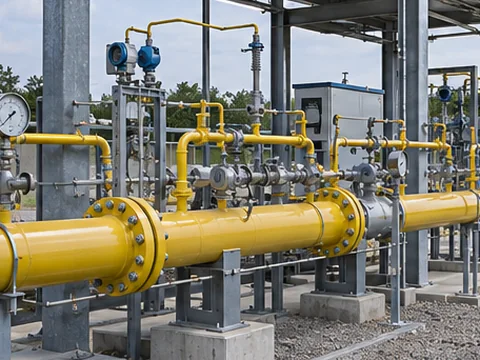
Check which costs the campus has actually transferred
A power buyer might agree to take a minimum number of units under contracted rates while the power producer bears fuel cost or delivery risk. A different structure could make the data center responsible for fuel delivery and the producer responsible only for conversion and maintenance. Review dispatch rights, partial service, corrective maintenance, credited output and payments owed when fuel cannot reach the site. A supplier's ability to terminate or reduce output during a force majeure event can leave a real continuity exposure even where a contract states performance obligations.
Document these as two independent loss cases
In one case, a casualty at the provider prevents output and the customer buys replacement power. In the second, no asset is damaged, but the plant no longer meets a fuel performance condition. Separate actual replacement electricity costs from liquidated damages, weather-related price variation and any amounts the seller avoids paying. Ask the broker how the actual policy treats business income, defined expenses, scheduled property interests, and losses after off-site incidents. Coordinate evidence and insurer notice with contract counsel while parties determine which agreement places the cost on which entity.
At underwriting, request the final agreement, not a summary, for obligations that could affect entitlements and policy assignments. Operations should provide dispatch records and availability reporting forms. Finance should supply the tariff or rate assumptions, cost of avoided outlays and exposures from reduced output. Compare lender or lessor interests if the project structure gives another party a claim on insurance proceeds.