
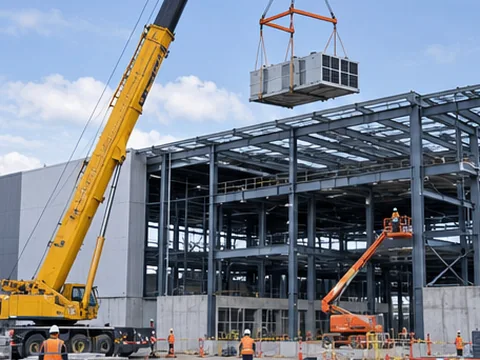
Define the live environment
A retrofit can add or replace power, cooling, connectivity and physical infrastructure while customer workloads continue. Record which equipment is part of the project, which belongs to the operating facility and which belongs to customers. Identify the existing services that depend on the work areas and how temporary arrangements change their ability to function. Include shared rooms, routes and temporary connections in field handoff documents.
Establish the work and return-to-service controls
Collect approved work windows, authorized service disruptions, equipment condition before work, testing criteria and escalation contacts. Confirm who controls the existing facility, has authority to approve work near operating equipment, and can restore the previous configuration. The GSA Building Commissioning Guide discusses documenting commissioning roles and functional testing. Decide which tests belong to the installation scope and which are prerequisite to resumed commercial service.
Example — new work damages operating property
A retrofit crew accidentally damages equipment serving an occupied suite. The new equipment under installation is unharmed. Document physical damage to operating assets, interruption to contracted services, tenant possessions and any mitigation funded by the owner. Preserve scope and approval records and the basis for the recovery duration.
Details to collect
- An annotated responsibility map joining construction work, operating systems and tenant property.
- Signed outage windows, procedures for handling change requests, and proof of acceptance for temporary service.
- Existing property values and income assumptions, active project values and notices accepted by all relevant insurers.
Ask how the construction form treats existing property, whether the operating policies need notice of material changes, and how policy triggers apply to the observed damage and resulting loss. Verify all terms with the parties arranging insurance.

Evaluate each temporary configuration as a distinct state
A retrofit may leave capacity or environmental controls functioning differently between decommissioning and acceptance of new equipment. Establish how long each configuration was expected to remain in place, the actual operating period and which resources were available for restoration. Confirm whether the operating team needs to limit workload, change how it monitors performance, or obtain additional specialist support. Keep evidence of approved operating conditions alongside incident rehearsals and the latest contractor work schedule. A one-time acceptance of a temporary setup may not address all subsequent changes to its use.
Consider an alternate scenario where a temporary service arrangement supports a live hall without incident but has to remain in place after damage occurs to a separate construction asset. The operator must rent additional equipment while the contractor replaces the damaged item. Identify which party incurs the extra cost, what portion relates to the covered event if one is established, and what period the original work anticipated. Supporting records include the planned duration, bills, contractor notices, replacement lead times and engineering decisions about keeping service in place. Compare project expense and operating interruption provisions if both might apply.
Join the construction and operating risk registers
- Can the site distinguish existing assets, newly installed property, and customer property by work location and insured interest?
- Who is responsible for approving continued live operation after an interruption or when a schedule slips?
- Which policies require notice of remodeling, temporary operation, occupancy, or testing that affects existing property?
Retain pre-work condition evidence for critical operating assets. Clarify how contractor performance claims, policy deductibles and continuity expenses are addressed separately, using the issued terms.
For each affected suite, document the contractual availability obligations and the physical changes planned in the retrofit. If a tenant declines temporary service or allows an exception, save the dated response alongside the operative conditions. Distinguish permission to carry out work from an amendment to service remedies.